
Refine by
Regenerative System Articles & Analysis
119 articles found

Eliminating Hydraulic Spill Risks (Zero Hydraulic Spill Risk) Conventional travel lifts rely heavily on complex hydraulic lines to power their drive and hoist systems, with fluid capacities ranging from several hundred to over a thousand liters. ...
An optimal solids loading rate falls between 1.0 and 6.0 pounds per square foot per hour. In a well-tuned system, this sludge builds up evenly across the surface into a thick, oatmeal-like consistency before being gently scraped away by a mechanical chain and paddle system. ...

Lishen Battery Project: Electrolyte Exhaust Treatment with RTO Technology Lishen Battery is one of China's earliest lithium-ion battery manufacturers, supplying batteries for electric vehicles, energy storage systems, and consumer electronics.Project Overview Exhaust Components: Ethylene Carbonate (EC), Ethyl Methyl Carbonate (EMC), Dimethyl Carbonate (DMC), Lithium ...
End-of-Pipe Process Selection for Oil & Gas Waste Gas Treatment systems for oil and gas emissions are custom-engineered based on core parameters: pollutant composition, air volume, and inlet concentration. Below are the mainstream process configurations for typical field scenarios:Emission Characteristics Recommended Process Route Core Equipment Configuration High ...
A Direct Fired Thermal Oxidizer (DFTO) is a VOC destruction system that uses a high-temperature combustion chamber to oxidize volatile organic compounds into carbon dioxide (CO₂) and water vapor (H₂O).Unlike Regenerative Thermal Oxidizers (RTOs), DFTO systems do not use ceramic heat storage beds. ...
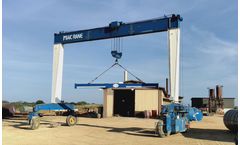
This article explains how PLC-based control systems work in RTG cranes, their core components, operational logic, advantages, and maintenance considerations.What Is a PLC-Based Control System in RTG Cranes? ...
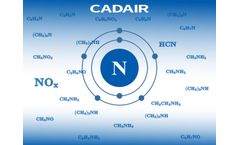
Direct discharge from conventional Regenerative Thermal Oxidation (RTO) systems often results in excessive nitrogen oxide emissions. ...
Technologies referenced by the IEA include LDAR systems, vapor recovery systems, flare gas recovery, and ventilation air methane (VAM) oxidation technologies. ...

Activated carbon filters work by passing the biogas derived from the AD plant through a metal tower filled with activated carbon. Normally the gas will have been dried by running through a chilling plant to remove excess water which would be absorbed by the ...
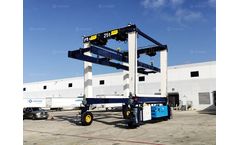
This article explores the leading trends shaping energy‑efficient RTG cranes—from hybrid power systems and regenerative technologies to smart controls and alternative fuels.1. ...
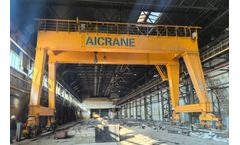
However, these large-capacity lifting systems also carry environmental responsibilities related to emissions, energy consumption, noise, land use, and lifecycle sustainability.Environmental compliance is no longer limited to meeting minimum legal requirements. ...
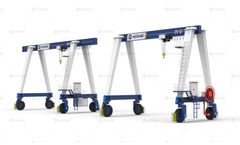
Lower Operating Costs: Electricity is generally cheaper than diesel fuel, and electric motors require less maintenance than internal combustion engines. Regenerative Braking: Electric systems allow energy recovery during container lowering or crane deceleration, reducing overall energy consumption. ...
Custom surface treatments, such as hot-dip galvanization, epoxy coatings, or polyurethane paint systems, improve durability but raise production costs.2. Hoist System Enhancements The hoist system is critical to the crane’s lifting performance. ...
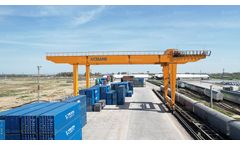
Clean and Efficient Manufacturing ProcessesOnce design and materials are selected, the production process itself must meet green standards.Energy‑Efficient MachineryModern fabrication facilities install energy‑efficient CNC machines, robotic welding systems, and advanced cutting technologies. These:Consume less energy per partImprove precision and reduce wasteLower defects and ...

Gas Cooling System Regenerative Siloxane Removal System, Hydrogen Sulfide Removal System with a capacity of 1,000 m3/h for each, were commissioned for the Kulakovskiy Landfill Gas Power Plant. ...
The 1st Stage of the Regenerative Siloxane Removal System with a capacity of 20,000 Nm3/h was commissioned in Seymen Landfill Gas Electricity Generation Plant. Product: Siloxane Removal Systems Capacity: 20.000 Nm3/h Customer: Istanbul Enerji A.S. ...
The 1st Stage of Regenerative Siloxane Removal System with a capacity of 1,400 m3/h was commissioned for the Edirne Landfill Gas Power Plant. Product: Siloxane Removal Systems Capacity: 1.400 Nm3/h Customer: Atlas Insaat San. Tic. ...
A Regenerative Siloxane Removal System with a capacity of 600 m³/h has been installed for the wastewater treatment plant of Ellaktor Group established on Psyttalia Island, located within the borders of Athens. Product: Siloxane Removal Systems Capacity: 600 Customer: Ellaktor Group Year: 2022 Location: Greece ...
We have commissioned the Regenerative Siloxane Removal System with a capacity of 20,000 Nm3/h at the Seymen Landfill Gas Power Generation Facility of R Enerji Elektrik Üretim A.S. Product: Siloxane Removal Systems Capacity: 2500 Nm³/h Customer: R Enerji Elektrik Üretim A.S. ...
We are proud to announce the successful installation and commissioning of the "Regenerative Siloxane Removal System" at Kalde Enerji's Mersin facility. Product: Siloxane Removal Systems Capacity: 5.000 Nm³/h Customer: Kalde Enerji Elektrik Üretim A.S. ...