
Residual Stability Articles & Analysis
17 articles found

It applies to specific polymers that can be converted, under the action of microorganisms, into stabilized organic residues, carbon dioxide, methane and water. All of these innovative processes contribute to solving the global plastic pollution crisis. ...

A disulfide bond (also known as a sulfur bridge) is a type of covalent bond between the sulfur atoms on the cysteine residues. It plays a role in stabilizing the three-dimensional structure of many proteins. ...

Protein methylation usually involves the transfer of methyl groups to lysine and arginine residues, affecting the activity, stability, and interactions of proteins. ...

Protein thermal stability testing is an important method for assessing the stability of proteins at different temperatures, mainly used for studying the relationship between protein structure and function.Services at Mtoz Biolabs1. ...

This linker has been used in the marketed Mylotarg and Besponsa, but their stability in plasma is not as expected and not as attractive as other cleavable linkers. ...

Although recombinant protein drugs, antibody drugs, vaccines and other products in biological products have undergone strict purification processes, there may still be residual host cell DNA in the products. Such residual DNA may have infectious or tumorigenic risks, for example, the residual DNA may carry the HIV virus or the Ras oncogene. Host ...
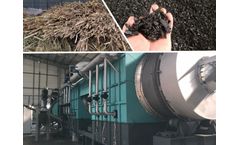
Lignin-rich feedstocks generally produce biochar with excellent structural stability. Bagasse, the pulpy residue left after squeezing the juice out of sugarcane or agave, is no underdog either. ...

Heavy metals in sludge are transformed into residue state during carbonization, which realizes stabilization, avoids release and precipitation in nature, and realizes complete and safe disposal. ...

Project Objectives: Maintain & stabilize disinfectant residuals. Reduce stratification & stagnation. ...

Last-recorded water chemistry measures indicated 98% (157/161) of samples were from pools with ≥1 mg/L residual chlorine without stabilized chlorine or ≥2 mg/L with stabilized chlorine and 89% (144/161) had pH readings 7.2–7.8. ...
In most cases, the residual chlorine will stabilize in one to four weeks after active mixing is installed though in some cases it can take up to eight weeks. ...

Algae increased the chlorine demand along with exposure to UV which dissipates un-stabilized chlorine. Both algae and UV make disinfection more expensive. ...

The results show that the removal of nanoparticles from natural river water follows first‐order kinetics toward a residual concentration. This was measured in river water with less than 1 mg L−1 CeO2 nanoparticles. ...

Through revisiting the classic problems of elastic and elastic-plastic buckling of frames, elastic-plastic stability of beam-columns, buckling of column braced at mid-span by a horizontal brace and the buckling of dual structural systems, the paper proposed the concept of 'residual stiffness', i.e., the residual part of the total stiffness after ...
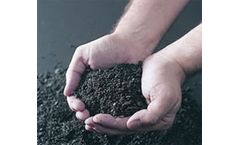
Featured technologies can be used to reduce the volume of residuals to be managed, produce stabilized biosolids that can be used to help improve soil fertility and tilth, or promote the recovery of energy from biosolids. ...

HTTD is frequently used in combination with incineration, solidification/stabilization, or dechlorination, depending upon site-specific conditions. ...

The paper describes a constant volume ring shear apparatus that allows the measurement of the undrained peak and residual shear strengths of cohesive soils. The undrained peak and residual strengths are applicable to seismic stability evaluations of slopes comprised of or founded on cohesive soil. ...