
Residual Stability Articles & Analysis
5 news found
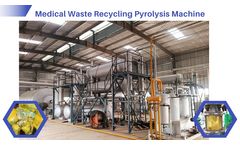
Solid waste pyrolysis is the process of converting the organic components in hazardous waste into syngas, pyrolysis oil, and solid residue under anaerobic, high-temperature conditions. Advantages of Pyrolysis Technology in Hazardous Waste Treatment Hazardous waste pyrolysis treatment demonstrates significant advantages in environmental protection, waste volume reduction, and ...

They are covalent bonds formed between two cysteine residues, stabilizing the protein structure and influencing its biological activity. Understanding the presence and location of disulfide bonds is essential for studying protein folding, function, and stability. With the Disulfide Bond Analysis Service, researchers can confidently analyze ...

Last week I had the opportunity to speak at the Alabama Conference on USTs on the lessons learned through high-resolution investigations, and in particular the value of high-resolution soil sampling to isolate the residual LNAPL mass on our more complex and difficult sites. Several others emphasized the importance of improved characterization before implementation of expensive ...
Project Background The project consisted of lowering the groundwater and dewatering the coal ash basin to allow for the excavation of residual ash accumulated in the basin. In addition to this, it supported the installation of a new liner which allowed the ash pond to be reused. ...

Aggregate wettability was positively correlated (r = 0.70) with wet aggregate stability. This regional study showed, however, that no-till management may not improve dry aggregate size distribution and stability, which are sensitive parameters of wind erosion. ...