
Refine by
Ripening Process Articles & Analysis
26 articles found

Appropriate CO2 levels help inhibit respiration, reducing the consumption of nutrients and slowing the ripening process to better maintain flavor and texture. At the same time, CO2 can suppress ethylene production and action by interfering with its biosynthesis and receptor binding, effectively delaying softening and senescence. ...
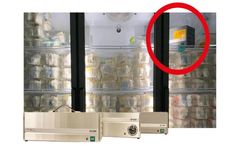
Apples emit ethylene gas, which accelerates the ripening process and causes other fruits, such as pears, to spoil more quickly. ...

The OZ1000 reduces mold, fungi, viruses, bacteria and ethylene gasses in the cold storage area and thereby increase the shelf life of the fruits and vegetables after they have been packed. Ethylene is produced from essentially all parts of higher plants, including leaves, stems, roots, flowers, fruits, tubers, and ...

The Ripening chamber is used to ripen fruits such as bananas, mangoes, and papayas. ...
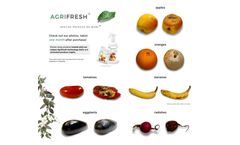
By absorbing greenhouse gases that cause bacteria to grow on fruits and vegetables, our technology, AgriFresh™, naturally and significantly delays the microbial spoilage and ripening process of produce. For background: We are a clean tech startup here in Ottawa, Ontario, focused on fighting climate change through natural and safe solutions. ...

They are all effective against any odor, bacteria, mold, fungi, yeast, and viruses. Ethylene is speeding up the ripening process and, in the end, it will make fruit and vegetable rotten faster. ...

The difference in experiencing eating well-ripened fruits or under/over-ripe specimens is so dramatic that perceived ripeness has a strong influence on consumer purchasing behaviour and the probability of them purchasing a fruit.1 As there may be a significant time period between fruit picking and its arrival on the supermarket shelf, it is important to control the ...

Most fruits ripen due to the action of ethylene. Ethylene is the hormone known as "the ripening hormone". ...
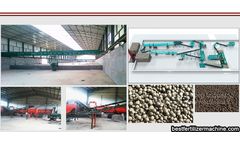
The chicken manure without fermentation and ripening is used as organic fertilizer after drying, which will ferment and ripen in natural state, which may harm crops and is not conducive to crop growth. Chicken manure into organic fertilizer requires fermentation, ripening, granulation and drying process. After high temperature ...
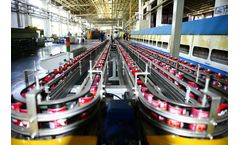
Ensure the relative humidity in baking process and exposed storage. MEAT Meat dehumidifier can provide Dehumidification and Humidification for meat MEAT PROCESSING The RH in meat processing workshop needs to be regulated to provide a suitable climate for meat process. ...

Ensure the relative humidity in baking process and exposed storage. MEAT Dehumidification and Humidification for meat MEAT PROCESSING The RH in meat processing workshop needs to be regulated to provide a suitable climate for meat process. ...
Ensure the relative humidity in baking process and exposed storage. MEAT Dehumidification and Humidification for meat MEAT PROCESSING The RH in meat processing workshop needs to be regulated to provide a suitable climate for meat process. ...

The difference in experiencing eating well-ripened fruits or under/over-ripe specimens is so dramatic that perceived ripeness has a strong influence on consumer purchasing behaviour and the probability of them purchasing a fruit.1 As there may be a significant time period between fruit picking and its arrival on the supermarket shelf, it is important to control the ...

Apples and pears are fruits that produce significant amounts of ethylene. Ethylene is known as the ripening hormone, because it regulates all processes associated with fruits’ ripening and senescence. ...
This is because, as described in the scientific literature, it interferes with the following physiological processes: The ripening or ageing of the fruit and vegetables, a process stimulated by ethylene (a vegetable ripening hormone) which brings with it the softening of the tissues, making microbial infection possible. The ...
It acts as a vegetable hormone and principally controls the processes of ripening and senescence. Ethylene accumulates in low concentrations in areas where fruit and vegetables are preserved, and thus reduces the postharvest life of the products stored. ...
The general objectives of the Pilot Plan are to: Work in storage chambers (one dry-environment chamber of 8-12°C and one humid-environment chamber of 2-4°C) with the aim of reducing levels of ethylene within them. Decrease the effects of ripening and the process of deterioration or lack of freshness in fruit and vegetables preserved in these storage ...
For industrialised countries, the use of ethylene removal systems during transport and storage is a habitual practice, as there is clear awareness of the effects of ethylene on the ripening process of fruits and vegetables, as well as the advantages entailed in its elimination: fresh products that last longer, waste reduction, better corporate image, etc., ...

As fruit and vegetables ripen, they release ethylene, a naturally occurring growth hormone. To be profitable and meet demands, commercial fresh produce companies need to speed up the ripening process in a uniform and predictable way, which is achieved by adding more ethylene in a controlled environment. Typically the fresh produce is placed in ...
ETHYLENE REMOVAL: Reduction of fruit and vegetable waste throughout the distribution chain Approximately one-third of the worldwide production of foods for human consumption is lost or squandered, equivalent to some 1,300 million tonnes each year. This means that enormous quantities of resources allocated for food production are used in vain, and that greenhouse gas emissions caused by ...