
Refine by
Sludge Disposal Articles & Analysis
351 articles found
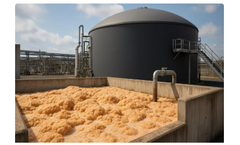
Typically, disposing of DAF sludge has been viewed as a problem, but treatment with anaerobic digestion makes it an asset.From Waste Stream to Energy SourceDAF sludge is rich in organic material, consolidating fats, oils, grease, and proteins into a sludge stream with high biodegradable content. ...
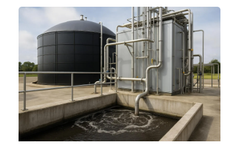
Larger basins, longer hydraulic retention times, and increased sludge handling follow, elevating capital and operating costs. At higher food-to-microorganism ratios, sludge production also rises, affecting disposal and handling costs. ...
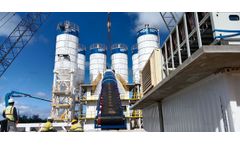
It is essential.The settling tanks produce sludge. The sludge contains cement, fine aggregates, and water. It is not waste. ...

Disposing of oil sludge improperly can lead to severe environmental contamination, including soil and water pollution. ...

In a major effort to protect human and environmental health, EPA works with its state, federal and tribal regulatory partners to monitor and ensure compliance with clean water laws and regulations. The Clean Water Act (CWA) is the principal federal law that governs water ...

The Challenge A large refinery in India faced persistent sludge accumulation in its effluent treatment pits and oily lagoons. Each year, thousands of tons of sludge had to be collected and transported offsite. ...
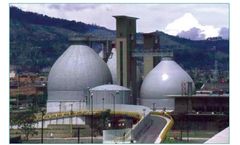
Abstract: One of the major costs associated with the operation of biological wastewater treatment is the handling and disposal of sludges generated primarily in the conversion of soluble organics as measured by BOD/COD into either carbon dioxide (aerobic) or methane (anaerobic), water and bacterial cells. Often times the sludge generated in ...
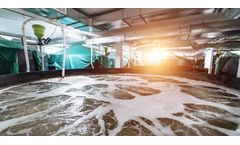
Finally, the water is disinfected and released, and the remaining sludge is de-watered and safely disposed. Traditional biological treatment often uses activated sludge (where bacteria float in tanks) or trickling filters (where water trickles over a bed of rocks with microbes). ...
The oil and gas industry has been grappling with the issue of oil sludge disposal for decades. Oil sludge, a byproduct of crude oil production, contains high levels of hydrocarbons and toxic materials, making it both an environmental and economic challenge. ...

Tertiary Treatment Filtration: Removes remaining solids through sand filters or pressure filters Disinfection: Chlorination, UV treatment, or ozone is used to kill pathogens Reverse Osmosis (RO) or Ultrafiltration: Used for advanced purification, especially when water reuse is required 5. Sludge Management Sludge Thickening and Dewatering: Removes excess water ...
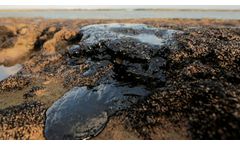
Oil Sludge and Its Ecological Impacts Oil sludge is a complex, hazardous byproduct generated from the extraction, refining, and processing of petroleum. ...

Here are some of the key challenges encountered: High operational costs: Poultry wastewater treatment is energy-intensive, leading to substantial electricity and thermal energy expenses. Additionally, sludge disposal requires significant resources, increasing both financial and environmental burdens. ...
n recent years, one of the growing concerns in the industrial and environmental sectors has been the disposal and treatment of oil sludge. Oil sludge, a byproduct of various industrial processes including oil refining, drilling, and wastewater treatment, poses significant environmental challenges if not managed properly. ...
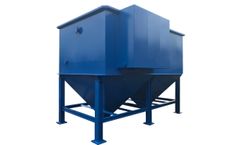
Plate Settling: As the water moves upward through the plates, suspended particles settle onto the surfaces and slide down due to gravity. Sludge Collection: The settled solids accumulate at the bottom of the clarifier and are directed to a sludge hopper for removal. ...

Transitioning to renewable energy sources can further minimize the carbon footprint. Sludge Management The treatment process generates large volumes of sludge, which must be treated, disposed of, or reused. Improper management of sludge can lead to environmental contamination and increased costs. Adopting sustainable ...
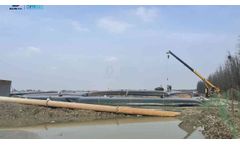
Moreover, geotubes are also applied in the process of sludge dewatering. The geotube dewatering technique offers an efficient way to separate water from sludge, which is beneficial in wastewater treatment and other industrial processes. This not only helps in the proper disposal of sludge but also in the recovery of water ...
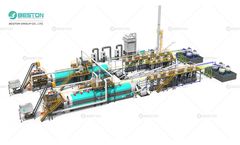
It accumulates in storage tanks, drilling operations, and refining processes. Improper disposal of oil sludge can contaminate soil and water, leading to long-term environmental degradation. ...
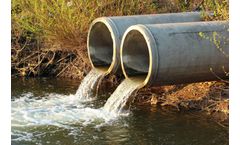
Introduction The United Kingdom faces significant challenges in wastewater treatment due to increasing population density, industrial growth, and environmental regulations. Traditional chemical flocculants often fall short in terms of efficiency, environmental impact, and cost-effectiveness. Genesis Water Technologies’ ZeoTurb Flocculant offers a revolutionary solution to address these ...

Effectively treating industrial effluent is essential for a wide range of facilities, especially as environmental and economic pressures continue to rise. Choosing the right treatment process can be challenging, but focusing on these four key areas can help ensure success. ...
Improper disposal of oil sludge can lead to soil and water contamination, posing risks to ecosystems and human health. ...