
Refine by
Soil Heavy Metals Articles & Analysis
99 articles found

A study published in Nature demonstrated that biochar-amended soil not only increases soil carbon storage but also further sorbs atmospheric CO₂, with calcium and magnesium in biochar reacting with CO₂ to form stable inorganic carbonate minerals. ...
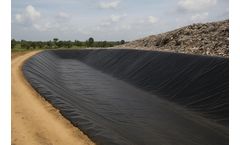
The project upgrades the site with a composite seepage barrier based on EarthShield geomembranes to isolate pollution sources and safeguard local agriculture and water resources.Project OverviewThe core barrier consisted of 50,000 square meters of 1.5 mm EarthShield HDPE geomembrane, manufactured by EarthShield, installed at the bottom and on slopes to form an underground protective layer that ...

Agricultural Use: Biochar is highly valued in the agricultural sector due to its ability to enhance soil quality. By improving soil structure, water retention, and nutrient availability, biochar contributes to better crop yields. ...

If you're in the market for an X-ray fluorescence (XRF) analyzer, you're likely asking yourself: "How do I find the model that perfectly suits my needs?" Elvatech's ProSpector 3 lineup offers three models: ProSpector 3, ProSpector 3 Advanced, and ProSpector 3 Max. Each is equipped with unique features tailored to specific tasks. This article will help you identify the best model for your needs, ...

According to their applications, soil amendment can be divided into soil amendment for preventing soil degradation, soil amendment for preventing soil erosion, soil amendment for reducing soil heavy metal pollution, soil ...
TDU technology is particularly effective in treating soil contaminated with hydrocarbons, heavy metals, and other industrial pollutants. ...
Adsorption and SorptionBiochar's porous structure provides an enormous surface area, enabling it to adsorb and sorb a wide range of contaminants. Organic compounds, heavy metals, and even some persistent organic pollutants can be trapped within the biochar matrix. ...

Disposing of metal-contaminated soil should be done with caution to prevent environmental harm. ...

Introduction Soil Remediation is an essential process to ensure the health and safety of our environment. Contaminated soils can have far-reaching effects on our ecosystem, as well as the health of humans and wildlife. This article aims to provide an in-depth understanding of soil remediation techniques and the most efficient methods for restoring contaminated soils to a healthy ...
These microorganisms include bacteria, fungi, and other tiny creatures that work together to create a complex web of life. When soil is contaminated with pollutants such as heavy metals or petroleum, these microorganisms can be disrupted, leading to a decline in soil health and a loss of biodiversity. ...
Introduction Bioremediation is the use of microorganisms, or their enzymes to clean up environmental pollutants. It is a sustainable and cost-effective approach to clean up contaminated soil, water, and air. Bioremediation can be applied to a variety of pollutants, including petroleum, pesticides, and solvents. Bioremediation is a complex process that involves various biochemical reactions, ...

At the same time, countries around the world have increased their investment in soil metal testing, using advanced technologies such as spectroscopic analysis technology, electrochemical detection technology and biological analysis and the latest research results to study soil heavy metal pollution in order to ...
The Price Battery plant operated in the Borough of Hamburg, Berks County, Pa., from approximately 1940 to the mid-1990s. The site, about 1.2 square miles in size located in a mixed commercial/residential area in the former Price Battery facility. During operations, battery casings broke open and the lead plates are removed for smelting. The on-site battery plant lead smelter produced emissions ...
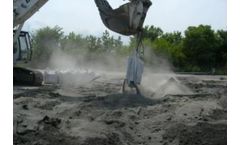
Contaminated soil is one that has heavy metals present within the project site. The EPA requires a Toxicity Characteristic Leaching Procedure (TCLP) test to determine if metal contaminated soil needs to be managed as hazardous or non-hazardous waste. Soils exhibiting hazardous characteristics ...
Been used successfully over 150,000,000 square feet of lead paint One Step Application Also Pre-blended with various media Ready to use on site after delivered As well as no additional labor After use, waste is tested via TCLP to classify as non-hazardous Can dispose as non-hazardous Saves time and money More information here: Blastox® Soil ...

Previous uses since Victorian times included landfilling, a soap factory, gas works and a number of heavy industrial operations. It involved demolishing 190 buildings, construction of 30 new bridges and soil washing over 600,000 tons of soil. Contaminants of most concern included heavy metals (lead, arsenic and ...
What is Heavy Metals Contaminated Soils Site Characterization? The EPA requires a Toxicity Characteristic Leaching Procedure (TCLP, EPA Method 1311) test to characterize heavy metals contaminated soils and determine how they should be disposed. Soils exhibiting hazardous ...
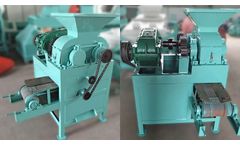
The sludge needs a lot of files to be placed and will sink into the soil with the rain, change the content of the soil, and even with heavy metal. ...
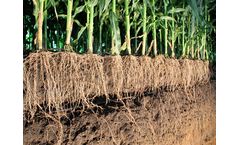
This leaching occurs underground when the soil is watered, however, if the fertilizer is simply spread above ground, it can be washed away after heavy rainfall.With the addition of Power-Z to the soil or fertilizer, leaching and washing away is less likely to occur. ...
What are Heavy Metals in Soil? The EPA requires a Toxicity Characteristic Leaching Procedure (TCLP) test to determine if the heavy metals in soil needs to be managed as hazardous or non-hazardous waste. ...