
Refine by
Soil Nutrient Articles & Analysis
415 articles found

Agricultural Applications of Biochar Biochar has attracted considerable attention within the agricultural sector due to its capacity to improve soil quality. Its porous structure enhances water retention, nutrient availability, and microbial activity. These characteristics can help improve crop productivity, particularly in degraded or ...
Charcoal itself has multifaceted applications: as a domestic or industrial fuel, as a soil amendment for nutrient retention, and as a precursor for activated carbon. ...
Industrialization and unsustainable farming practices have led to widespread soil degradation, including nutrient depletion, acidification, and reduced water retention. Biochar’s porous structure acts like a “molecular sponge,” increasing soil aeration, retaining moisture, and preventing nutrient leaching. It also provides a ...

As does approach parturition and early lactation, precise mineral intake supports fetal development, colostrum quality, immune transfer, and rebreeding performance.Why Kidding Season MattersDuring the final trimester, approximately 70 percent of fetal growth occurs, and the doe’s nutrient demand rises sharply as she supports rapid fetal development while preparing for colostrum ...
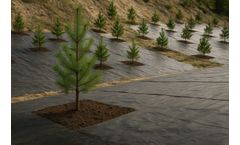
Beyond planting, modern environmental engineering leverages geomembranes to protect soil, water resources, and ecosystems. Geomembranes function as an isolation layer by covering contaminated soil with an impermeable membrane and then topping with clean planting soil, creating an artificial safe zone for roots. ...

What Is Bio-remediation: Biological treatment and reliance on bacteria is not new or novel; it has played a central role in conventional waste treatment throughout the history of mankind. What is new however, is our growing understanding of the natural processes and how we can utilize bacteria for industrial, agricultural and residential applications in breaking down organic waste thereby ...
Location: Banana Plantation, Guatemala Background: Typical of most banana plantations, this operation left plant litter such as leaves and stalks on the floor of the banana stand in order to decompose and return nutrients to the soil to support new growth. However, it takes significant time for this litter to decompose or "compost" slowing the availability of ...
This transformation not only reduces agricultural waste but also creates a renewable energy source and soil conditioner. The use of efficient equipment such as a palm kernel shell charcoal machine allows for continuous production and stable carbonization, ensuring consistent biochar quality. 2. Biochar: A Sustainable Solution for the Palm Oil Sector Biochar derived from palm ...

Crops such as corn, wheat, soy, and cotton receive nutrients from the soil they are grown in. Fertilizers play a crucial role in providing these crops with the nutrients they need to grow ...
ByB&W Tek
By preventing biomass from decomposing or burning completely, it significantly reduces greenhouse gas emissions. 2. Soil Improvement When applied to soil, biochar improves water retention, nutrient availability, and microbial activity. ...

Introduction Soil is the foundation of agriculture and ecosystems, yet industrial activities and pesticides often introduce toxic metals like lead, cadmium, or mercury. Rapid assessment of soil composition is essential for farmers, environmental engineers, ecologists, and regulators. X-ray fluorescence (XRF) delivers multi-element results in minutes without complex lab work, making it an ...
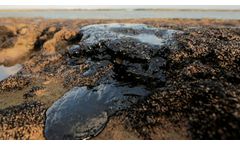
The bio-oil produced during the pyrolysis process contains valuable organic compounds that can be used to treat degraded or polluted soils. These compounds, when introduced to the soil, can improve its structure, increase nutrient availability, and foster the growth of beneficial microorganisms. Furthermore, the solid carbon residue—often ...

Soil Testing – Make Every Inch of Land CountHealthy soil is the foundation of healthy crops.. But not every piece of land is ready to grow crops. If you don't know what your soil holds, it's like farming with your eyes closed..Soil testing tells you:Which nutrients are missing (like nitrogen, phosphorus, or ...

Growing conditions have been perfect over the last few weeks, so fertiliser has been going on ‘a plenty’ but have you a Nutrient Management plan (NMP) in place? Many businesses have signed up to nutrient planning as part of their Sustainable Farming Incentive (SFI) agreement, and the Environment Agency is looking very closely at NMP’s when they are inspecting ...
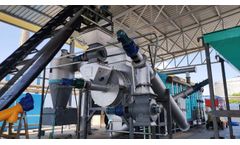
The biochar itself is a highly porous material with a large surface area, making it valuable for agricultural use as a soil amendment to improve soil fertility and water retention.Key Factors Influencing Profitability 1. ...

Agriculture is a delicate balance between productivity and sustainability. Farmers and agronomists must make informed decisions about soil health, fertilizer application, crop nutrition, and overall quality control to maximize yields while minimizing environmental impact. Near-infrared (NIR) spectroscopy is a key technology in enabling rapid, non-destructive analysis of agricultural samples. By ...
Among these, the charcoal is highly valuable—it burns longer, emits less smoke, and has a high carbon content, making it ideal for industrial fuel, BBQ usage, and even soil conditioning in agriculture. Upstream Benefits: A Greener Palm Oil Production SystemFor plantation owners and palm oil mills, the palm shell to charcoal solution offers multiple advantages: Efficient Waste ...

Methane in rice fields mainly comes from the anaerobic environment near the rice roots and is produced when organic matter decomposes in the soil. Methane emissions are affected by factors including rice planting management, soil type, climatic conditions, and water level and temperature. Although methane itself does not directly affect rice growth, excessive ...
Some crops that have shown positive responses to biochar applications include: Vegetables: Crops like tomatoes, peppers, and lettuce benefit from the improved soil structure and nutrient availability. Cereals: Rice, corn, and wheat can also see improvements in yield when grown in biochar-amended soil. ...

Agricultural Use: Biochar is highly valued in the agricultural sector due to its ability to enhance soil quality. By improving soil structure, water retention, and nutrient availability, biochar contributes to better crop yields. ...