
Refine by
Soil Nutrient Articles & Analysis
297 news found
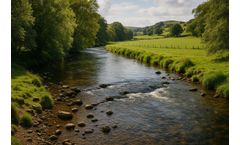
Farmers will have a clearer set of farming rules which help them manage impacts on water through actions like reducing soil and nutrient loss to waterbodies. By 2050 - whilst more frequent extreme weather will mean that many rivers flood more frequently, greater woodland cover, restored peatlands and wilder river habitats will slow flood waters, protecting towns ...
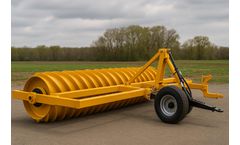
The tool is used in late spring to terminate a cover crop and contribute nutrients to the soil while inhibiting weed growth during the growing season. ...

In February 2026, Defra announced the launch of a new online Nutrient Management Planning Tool, developed with support from the ADAS soils and nutrients team and RSK Business Solutions The new tool – the Plan and Manage Nutrient Applications Tool – will help farmers make smarter, more efficient decisions about ...
The 2026 ADAS Nutrition Challenge invites companies to put their nutrient-management strategies to the test. Participants will compete directly against ADAS crop scientists and the industry standard RB209 to see who achieves the highest gross margin over nutrient costs. The project aims to understand how farmers and agronomists can use fertilisers and biostimulants more efficiently. It ...
From my very first visit in North Yorkshire conducting full farm soil sampling, to my final on-farm visit helping deliver a bespoke natural flood management visit in Suffolk. ...
We can also help you with: Benchmarking your system and improving technical performance Diversifying your income stream Integrated Pest Management Planning (IPM) Soil health and nutrient management ADAS is a lead provider in the Farming Connect service, and you can use Farming Connect funding to access our advice. ...
ADAS Senior Crop Research Scientist Dr Christina Baxter takes a look… Phosphorus (P) is a crop nutrient found in soils – critical for plant root formation, energy transfer, and DNA synthesis. Despite UK agricultural soils typically having good levels of P, it is an elusive nutrient for plants to ...
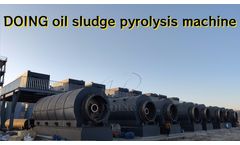
Composting: Sewage sludge can be mixed with other organic materials (like wood chips or green waste) and composted under controlled aerobic conditions. This process produces a nutrient-rich material that can be used as a soil amendment in agriculture and horticulture. ...
The thought of an Environment Agency (EA) inspection causes stress for many farmers. With broad inspection areas and various regulations to consider, it can be difficult to prepare. To help alleviate some of the uncertainty, we explore the eight most common reasons for inspection failures and things farmers should consider. According to the AIC, the Environment Agency ...

The companies are partnering on an innovative recycling program that processes food and beverage products that can’t be sold or donated into renewable energy and soil amendment. “This collaboration represents a meaningful step in advancing our sustainability objectives by reducing environmental impact, strengthening compliance, and driving greater efficiencies across ...
It prepares these loads for recycling and transfers the organic content to MBC for conversion into renewable energy and nutrient-rich soil amendments through the AD process. “MORC represents a strategic expansion of our infrastructure that enables BTS Bioenergy to better serve the food distribution sector while advancing our mission of landfill ...
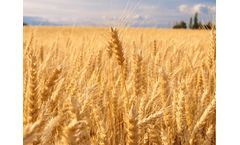
As combines roll and the growing season draws to a close, now is the ideal time for farmers to step back and assess whether their crop nutrition strategies worked or didn’t. In a recent NUTRI-CHECK NET webinar, ADAS crop physiologists Dr Sarah Kendall and Dr Tamara Fitters shared how grain analysis and post-harvest reviews can play a pivotal role in refining nutrient strategies for future ...
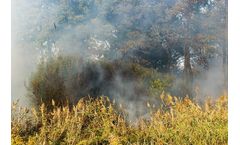
Burning also has the potential to damage peatland ecosystems and lead to biodiversity loss, as well as causing soil erosion and pollution/nutrient release into waterways, which negatively affects water quality. ...

Unlike traditional fertilisers that primarily add nutrients to the soil, biostimulants work directly on the plant’s metabolic processes. ...

Due to climate change, regions across Asia and Africa are experiencing higher frequencies of floods and drought. Coupled with rising temperatures, traditional crop-growing patterns have been altered, delayed, and disrupted. A subsequent decline in crop quality and quantity has shown macro-scale impacts on agriculture, vegetable markets, and local community ...

From the dawn of civilization, most agricultural practices have hinged on a few simple ingredients – seed, soil, water and sunlight. This classic combination remains at the helm of food production today, but recent developments in agricultural technologies may soon see soil supplanted entirely by science. ...
ByAquasend
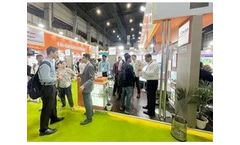
The Renewable Energy India 2024 Exhibition has ended, and what an incredible journey it has been! From groundbreaking technologies to inspiring conversations about sustainability, this year’s event showcased the best and brightest in the outdoor industry. Brands showcased products and technologies , emphasizing the industry’s commitment to reducing environmental impact. Throughout the ...
Decisive Farming by TELUS Agriculture is excited to unveil a powerful new connection between ChrysaLabs’ innovative soil insights solution with our Farm At Hand platform. This connection allows farmers to receive real-time soil sampling results directly into their Farm At Hand accounts, providing them with precise, actionable insights within minutes of ...
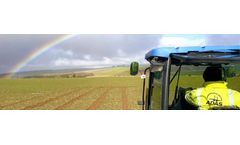
This year’s challenge takes place on the Yorkshire Wolds with each entrant being assigned a 48 m2 plot of winter wheat replicated 4 times. A separate control treatment will receive nutrition in line with RB209 field assessment recommendations and a second control treatment will be left untreated. Other than fertiliser and biostimulant choice and timings, all other crop applications will ...
Understanding Hydroponic Fodder Systems Hydroponic fodder systems, often referred to as fodder systems, are designed to grow crops like barley, wheat, or alfalfa in a controlled environment using water and nutrients instead of soil. These systems typically consist of several key components: Growing Trays: Shallow trays where seeds are spread to germinate ...