
Soil Nutrient Cycle Articles & Analysis
16 articles found

Biochar has a porous structure and large surface area, which enhances soil's ability to retain water and nutrients. This is especially beneficial in arid regions where soil moisture retention is critical for crop survival. ...

The study of isotopes in soils has become an essential tool in understanding both geological time scales and contemporary environmental processes. By utilizing various isotopes, researchers can glean information about such varied topics as soil formation, nutrient cycling, and past climate conditions. This article focuses on ...
Due to its porous structure and high carbon content, biochar serves as a long-term carbon sink, aiding in climate change mitigation. Moreover, biochar enhances soil structure, water retention, and nutrient cycling, thereby improving crop yields and soil health. ...
Unlike traditional stationary biochar production facilities, mobile biochar machines offer unparalleled flexibility and scalability, enabling farmers, foresters, and environmentalists to deploy biochar production directly in the field or forest.Key Components of a Mobile Biochar MachineBiomass Feeding System: Facilitates the loading of raw biomass materials into the machine for conversion into ...
Moreover, biochar fosters microbial activity in the soil, thus facilitating nutrient mineralization and enhancing overall soil health. ...
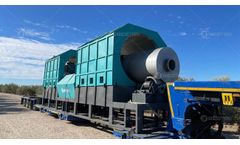
In the soil, biochar acts as a reservoir, preventing nutrient leaching and ensuring a steady supply of nourishment to plants. Microbial Activity: Biochar fosters a thriving microbial community within the soil, enhancing nutrient cycling and promoting beneficial plant-microbe interactions. ...
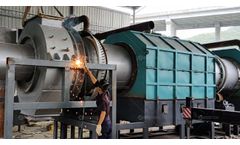
Benefits of Biochar Production Equipment Enhancing Soil Health and Carbon Sequestration 1.Soil Amendment: Biochar's Nutrient-Rich Impact The integration of biochar into soil introduces a plethora of benefits. ...

This property helps reduce nutrient pollution in water bodies and enhances nutrient cycling within the farming system. Increased soil fertility and nutrient cycling: The addition of biochar to the soil in livestock farming systems enhances soil fertility by ...

This tension affects the ability of plants to absorb water and nutrients from the soil. Soil tension meters are important tools for irrigation management and soil research.The basic principle behind soil tension meters is the measurement of the pressure required to remove water from a small ceramic cup buried in ...

Before the introduction of new high-yielding fertilizer responsive varieties and intensive use of nitrogen, the soils were not stressed for their nutrient supply. As a result of a more intensive cropping system, use of high-yielding varieties and the imbalanced use of nitrogen, lack of nutrients is now increasingly becoming a limiting factor in ...

Although it is widely recognized that microorganisms are essential for sustaining soil fertility, structure, nutrient cycling, groundwater purification and other soil functions, soil microbial toxicity data were excluded from the derivation of Ecological Soil Screening Levels (Eco‐SSL) in the ...

Examples include various forms of mixed cropping that enable more efficient use and cycling of soil nutrients, conservation farming, microdosing of fertilisers and herbicides, and integrated pest management. ...

Understanding the effects of management practices on soil properties is necessary because soil properties are directly related to the capacity of soil to function. ...
Winter cover crops can add soil organic matter, improve nutrient cycling, and suppress weeds in organic vegetable systems. ...
The objective of this 4-yr study was to examine the effects of riparian zone restoration on soil N cycling mechanisms in a mountain pasture previously degraded by cattle. Soil inorganic N pools, fluxes, and transformation mechanisms were compared across the following experimental treatments: (i) a restored area with vegetation regrowth; (ii) a ...
Charcoal could also be used to generate energy; however, application of the charcoal co-product to soils may be key to sustainability. Application of charcoal to soils is hypothesized to increase bioavailable water, build soil organic matter, enhance nutrient cycling, lower bulk density, act as a liming agent, ...