
Refine by
Soil Recycling Articles & Analysis
55 articles found

By preventing biomass from decomposing or burning completely, it significantly reduces greenhouse gas emissions. 2. Soil Improvement When applied to soil, biochar improves water retention, nutrient availability, and microbial activity. ...

The Wenzhou Landfill Waste Sorting Project handles 1,000 tons of landfill waste every day. The primary objective of this project is to effectively separate the key components of landfill waste, including combustible materials, construction debris (such as bricks, tiles, and ceramics), and humus soil. By doing this, we can make the most of the landfill resources and help reclaim the land in a ...
The world’s oceans are drowning in plastic—an estimated 12.7 million metric tons enter marine environments annually, threatening ecosystems, wildlife, and human health. While prevention and recycling remain critical, innovative technologies like pyrolysis offer a groundbreaking solution to convert ocean plastic waste into valuable resources, addressing both pollution ...
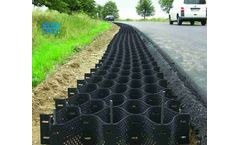
What Is Geocell? Geocell is a three-dimensional honeycomb structure made of polymer materials (such as HDPE, PP) or reinforced synthetic materials connected by ultrasonic welding or other processes. It is formed into a three-dimensional grid after unfolding, filled with materials such as soil, gravel or concrete, and is widely used in foundation reinforcement, slope protection, road base ...
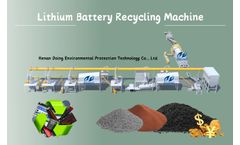
Why Recycle Lithium Batteries with DOING lithium battery recycling machine? Many benefits can be achieved through the recycling of end-of-life lithium batteries through DOING lithium battery recycling machines: 1. ...
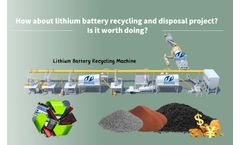
For example, the leakage of heavy metals such as cobalt will cause long-term damage to water bodies and soil ecosystems. Carrying out lithium battery recycling and disposal projects can effectively process these harmful substances through professional technology and equipment, avoid damage to the environment, and achieve a win-win situation of resource recovery ...

Moreover, when tires are improperly disposed of, they can leach harmful chemicals into the soil and water, contaminating the environment. Therefore, tire recycling is the ultimate solution to tackle this problem faced in India. ...
ByEcoverva
Rice husk, an abundant agricultural by-product, holds significant potential for sustainable recycling initiatives. In this article, we explore various methods and technologies for effectively recycling rice husk, with a focus on the innovative rice husk carbonizer.Understanding Rice Husk and Its Environmental Impact Rice husk is the outer layer of rice grains, ...

Plastic recycling machines Introduction The high level of global plastic use has led to an increasing procurement of discarded post-consumer plastic material, and there is a demand for a process strategy to best depolymerize and repolymerize it. Here, we are concentrating on the reprocessing of post consumer used plastics into consumer products, using the various reprocessing methods which ...

Here are some common uses of C&D waste: Recycled Aggregates: Crushed concrete, asphalt, brick, and other C&D waste materials can be processed into recycled aggregates. ...
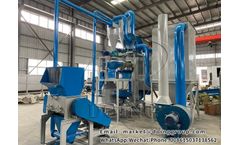
Both aluminium and plastic (PVC) are recyclable materials, so pill blister packs are recyclable, too. Now that, pill blister packs can be recycled, how can we recycle them? Actually, there are many ways to recycle them. 1. Using fire Fire is the most traditional way to recycle pill blister packs. ...

The recycling of crude oil contaminated soil presents a formidable challenge in the realm of environmental remediation. ...
In the intricate web of environmental stewardship, the challenge of crude oil-contaminated soil stands as a testament to the pressing need for transformative solutions. ...

“Well-functioning soil will retain, provide and recycle nutrients and water, and will support a diverse array of biota in the soil-plant system,” explains Jeff Schoenau, professor of soil fertility at the University of Saskatchewan and the Saskatchewan Ministry of Agriculture chair in soil nutrient ...

Mining, logging, and other activities to extract raw materials can lead to habitat destruction, soil erosion, and pollution of waterways. When we recycle, we reduce the demand for these raw materials, reducing the need to harm these delicate systems. ...

This property helps reduce nutrient pollution in water bodies and enhances nutrient cycling within the farming system. Increased soil fertility and nutrient cycling: The addition of biochar to the soil in livestock farming systems enhances soil fertility by improving nutrient retention and availability. ...
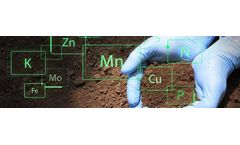
The Importance of Soil Structure & Native Soils Soil is the basis of all agriculture, and reports indicate that many places are experiencing accelerated soil loss due to erosion. ...
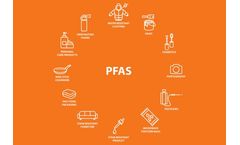
Soil washing can be effective, but it results in additional waste that needs treatment. 4. ...
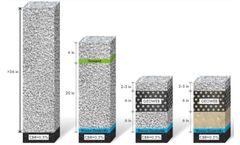
Natural resources are finite, or at a minimum, can easily be consumed faster than they can be replaced. As such, the conservation of natural resources is a pragmatic endeavor. Geosynthetics-widely available materials used in construction, civil engineering, and environmental protection-can be useful in promoting the conservation of these resources. When used as intended, geosynthetics can enhance ...

Recyclable materials are typically sorted and processed at an MRF, while organic waste can be composted to produce a nutrient-rich soil amendment. Non-recyclable waste may be incinerated to produce energy, or it may be sent to a landfill for long-term storage. Disposal: The final step in the solid waste management process is disposal. ...