
Refine by
Soil Remediation System Articles & Analysis
31 articles found

The EKOGRID in-situ soil remediation project at a former oil above-the-ground storage tank (AST) site in Finland is a successful evidence of a cost-efficient and environment-friendly way of cleaning up abandoned storage tank sites. After completion of the EKOGRID in-situ remediation, the need for excavation, dump and replacement soil was reduced by 90%, from a total of 15,000 cubic meters (m3) of ...

Pyrolysis Plant: A Technological Marvel Enter the realm of the pyrolysis plant, a technological marvel designed to revolutionize soil remediation. This intricate apparatus engages in pyrolytic processes, subjecting contaminated soil to high temperatures in an oxygen-starved environment. ...

Introduction Soil Remediation is an essential process to ensure the health and safety of our environment. Contaminated soils can have far-reaching effects on our ecosystem, as well as the health of humans and wildlife. This article aims to provide an in-depth understanding of soil remediation techniques and the most efficient methods for restoring contaminated soils to a healthy ...

Introduction To In Situ Soil Remediation In situ soil remediation is a critical method used to address soil contamination, playing a pivotal role in environmental restoration. This technique treats polluted soil in its original location, without needing to remove or transport the contaminated materials. The benefits of this approach are numerous, including reduced costs, minimized environmental ...

It’s no secret that the United States has an aging infrastructure problem. The public’s attention is focused on the repair of roadways and bridges, but there is also an ongoing initiative to address the existing infrastructure of legacy underground storage tanks, abandoned gas stations and truck stops, that are designated petroleum brownfields. As of July 2021, approximately 21 ...

PFAS, also known as “forever chemicals,” have been around for more than half a century, but have recently started making headlines for the harm they cause to the environment and to human health. PFAS are seemingly everywhere and in everything, so now the big question is: how do we get rid of them? In this article, we break down everything you need to know about PFAS, the best way ...
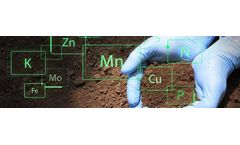
The importance of soil cannot be overstated. It’s the basis of agriculture, and as a result, is a critical component of sustaining human life. According to the EPA: “Productive soils, a favorable climate, and clean and abundant water resources are all essential for growing crops, raising livestock, and for ecosystems to continue to provide the critical provisioning services that ...
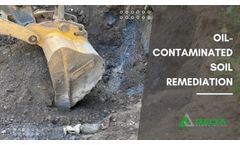
Oil contamination of soil is a widespread problem that can have serious environmental and health impacts. The presence of oil in the soil can result from a variety of sources, including spills from storage tanks or pipelines, leakage from vehicles, and improper disposal of waste oil. In order to protect the environment and public health, it is essential to clean up contaminated soil and restore ...

’s Anaerobic Thermal Desorption Unit (ATDU) is an exsitu, non-incineration technology designed to separate hydrocarbons from various matrices including oilfield waste, soil, sludge, sand, filter-cake, tank and tanker bottoms, organic-based hazardous waste and contaminated soil in a non-oxidizing atmosphere without destroying the hydrocarbons. This paper ...
PFAS, also known as “forever chemicals,” have been around for more than half a century, but have recently started making headlines for the harm they cause to the environment and to human health. PFAS are seemingly everywhere and in everything, so now the big question is: how do we get rid of them? In this article, we break down everything you need to know about PFAS, the best way to ...
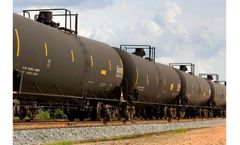
Their traditional soil remediation technologies are not environmentally sustainable and they contribute to greenhouse gas emissions. ...
Iron Creek Group’s patented Tech Zero technology for process waste and their patented Enhance Thermal Conduction (ETC) technology for larger waste-management projects have revolutionized the way refinery waste is treated. Using a secondary manufacturing process the technology delists waste, eliminates the contingent liability of trucking waste to landfills and reduces turnaround time to ...
It has been found in drinking water across the United States and many believe it poses a significant threat to human health.Until now, the remediation process for explosives-impacted soil has been long and cumbersome, but Iron Creek Group’s award-winning, patented Enhanced Thermal Conduction (ETC) soil remediation technology ...
The problems with the Red Hill Bulk Fuel Storage Facility continue to percolate. It’s a complex situation but there is a cost-effective solution that can remediate the petroleum-impacted soil and prevent it from causing more harm to human health and the environment of Oahu, HI. While the Navy and Hawaiian Government are currently working towards a resolution for the storage facility, the ...

Industry: Sanitary Landfill Location: Pasco, WA Capacity: 20,000 CFM (Cubic Feet per Minute) Installed: 2021 (12-month rental) TIGG® was contracted to treat emissions from a sanitary landfill* where an estimated 35,000 55-gallon drums were disposed of that contained solvents, paint sludges, cleaners, and other hazardous waste. A portion of the site to be remediated was covered with a ...
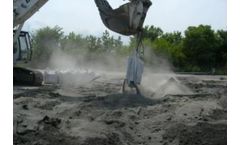
Contaminated soil is one that has heavy metals present within the project site. The EPA requires a Toxicity Characteristic Leaching Procedure (TCLP) test to determine if metal contaminated soil needs to be managed as hazardous or non-hazardous waste. Soils exhibiting hazardous characteristics need to be disposed of at a facility permitted for that material at a high cost. The alternative is to ...

The treated soil may be deposited directly to the ground from the mill. However, the apparatus includes a conveyor system at the back end, which may be used to deposit the soil in locations and configurations as desired or to meet site space constraints. ...

What is Soil Remediation Fixation? Soil Remediation Fixation can be done by a chemical process that will prevent leaching of metals into the ground water during soil remediation projects. Reactions change the chemical form of the metal from an oxide, carbonate or hydroxide to a silicate, which is significantly less soluble than most other compounds. ...
What is a Soil Remediation Project? A developer near Detroit, MI had a soil remediation project that involved a redevelop property with an ideal location with ready access to freeways. High levels of lead contamination were identified over a large portion of the site, presumed to be associated with areas that lead-acid batteries were crushed inside cars and were left to drain. ...

A plume of dissolved volatile organic compounds was previously found to be migrating off-site. Prior to the summer of 2017, remedial measures included a vertical air-sparge/soil vapor extraction remediation system installed on the boundary of the site to prevent further contamination migration. ...