
Refine by
Sugarcane Articles & Analysis
140 articles found
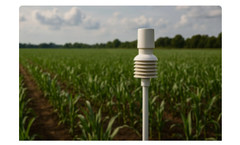
Greenhouse Vegetables: Optimal RH 60–80%; all growth stages; tip burn and wilting below threshold; botrytis and downy mildew infection above threshold. Sugarcane: Optimal RH 70–85%; grand growth phase; reduced juice content and stunted growth below threshold; red rot and smut susceptibility above threshold. ...
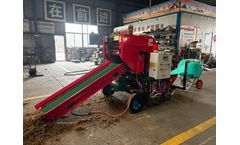
This silage baler machine works stably with corn stalks, pasture, grass and sugarcane leaves. Its heavy-duty structure ensures long service life, while intelligent automatic control simplifies operation. ...
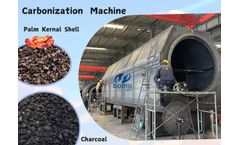
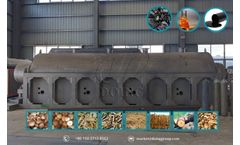
Versatile Application Our series of carbonization machine is not only suitable for processing organic waste such as palm fruit empty fruit bunches, but can also handle various agricultural residues, such as sugarcane bagasse, rice straw, corn cobs, coconut shells, and fruit tree branches. ...
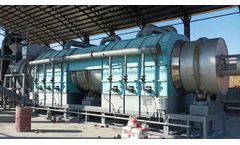
Feedstock Versatility and Waste Valorization Biochar equipment accommodates a broad range of lignocellulosic waste materials, including rice husk, coconut shells, sawdust, sugarcane bagasse, and even organic municipal waste. This flexibility enables localized resource utilization and decentralizes waste treatment infrastructure. ...

Project BackgroundBrazil is the world’s leading producer and exporter of sugarcane, accounting for approximately 50% of global sugar production. Annually, the country produces around 654.8 million tonnes of sugarcane, 41.25 million tonnes of processed sugar, and 29.7 billion litres of ethanol. The substantial production volume positions Brazil as a global pioneer ...
In Africa, nut shells (such as cashew shells, peanut shells) and sugarcane bagasse are ideal raw materials because of their high bulk density and good carbonization efficiency. ...
Manufacturers offering flexible production lines that can adapt to varied raw materials—such as sugarcane bagasse, bamboo pulp, and recycled paper—are gaining traction in diverse geographical sectors.Market Diversification Trends Traditional export strongholds such as the United States and Germany remain pivotal; however, there is a visible pivot toward untapped markets in Latin ...

S. cerevisiae typically ferments simple sugars, which can be sourced from materials like grains, fruits, or sugarcane. The substrate is often pre-treated to enhance sugar availability. ...
American BioCarbon, a leading innovator in sustainable products derived from sugarcane bagasse, was among a select group of esteemed U.S. and international leaders invited to contribute their insights at Economist Impact’s 3rd annual Sustainability Week: Countdown to COP28 conference. ...
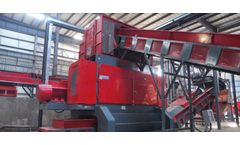
Brazil: Agricultural waste like sugarcane and wheat straw is finely shredded into biomass fuel for co-firing in power plants, generating enough electricity for 300,000 households annually and saving 8,000 trees in the Amazon rainforest. 2.3 Creativity Knows No Bounds Some countries have adopted innovative, region-specific solutions to tackle solid waste: Netherlands: ...

Ethanol, primarily produced from corn or sugarcane, is another common biofuel. However, the environmental impacts of ethanol production have raised concerns. ...

In contrast, pulp molded tableware typically uses recycled paper, agricultural residues, or sugarcane bagasse, which are abundant and relatively inexpensive. These raw materials are often sourced locally, reducing transportation costs and minimizing supply chain vulnerabilities. ...
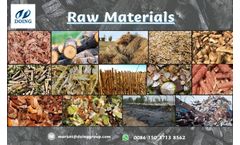
Common types of agricultural waste suitable for charcoal production include: Agricultural waste ● Crop Residues: Rice straw, corn stalks, wheat straw, and sugarcane bagasse. ● Wood Chips and Sawdust: From pruning, logging, and woodworking operations. ● Nutshells: Coconut shells, almond shells, and walnut shells. ...

Additionally, it enhanced the ability to use diverse raw materials, such as areca leaves, sugarcane bagasse, and cornstarch, expanding the versatility of biodegradable plate production. ...
Waste from crops like rice, corn, and sugarcane can be converted into biochar, turning what would otherwise be waste into an asset. ...
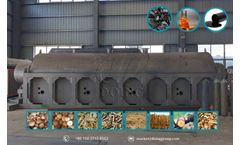
However, they can be collected and transformed into high-quality charcoal using DOING charcoal making machines. 3. Sugarcane Bagasse: The fibrous residue left after sugarcane is crushed can be processed into charcoal, providing an additional source of income for sugar mills. 4. ...
Crafted from sustainable materials like bamboo, sugarcane pulp, or recycled paper, these plates can decompose naturally within a relatively short period, minimizing their environmental footprint. ...
Bagasse is the fibrous byproduct left after extracting juice from sugarcane. Traditionally discarded or burned, bagasse is now repurposed into eco-friendly packaging material. ...
Conservation of Resources: Biodegradable tableware is made from renewable resources such as bamboo, sugarcane, or recycled paper, conserving finite natural resources and reducing dependence on fossil fuels. ...
In the vast expanse of the sugarcane fields, a quiet revolution is taking place. The story begins not with the sweet juice that has sustained economies for centuries, but with what remains after the harvest: bagasse. ...