
Refine by
Surface Analysis Articles & Analysis
189 articles found
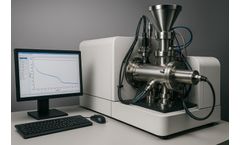
Secondary Ion Mass Spectrometry (SIMS) is a surface analysis technique known for high sensitivity and excellent depth resolution in the analysis of solid materials. ...

Lake ecosystem water quality fails follow a predictable sequence of physical and biological processes that begin weeks before a surface bloom is visible. The analysis here is oriented toward water quality managers, utilities, and lake operators, and focuses on monitoring, thresholds, and intervention strategies that can be deployed before operations are affected. ...
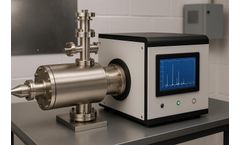
In conventional residual gas analysis, species with similar masses may overlap and appear as a single peak. ...

As temperature changes, molecules bound to a surface respond in ways that reflect how and where they are attached. Temperature programmed desorption uses controlled heating to trigger such responses in a systematic way. When evolved gas analysis is applied at the same time, desorbing species can be identified when they appear, allowing surface ...
Nuclear fusion research is rapidly scaling from core science to reactor-relevant engineering, driven by major public funding and accelerating private investment. As tokamak, stellarator, and inertial confinement programmes move toward longer pulses and integrated fuel-cycle operation, the diagnostic demands are rising fast. In simple terms, fusion teams need nuclear fusion gas analysis that is ...
Although the SEI is crucial for stabilising the cathode-electrolyte interface, it is only a few nanometres thick and chemically varied, which complicates its analysis with conventional analytical techniques like X-ray Photoelectron Spectroscopy (XPS) or Raman spectroscopy. Secondary Ion Mass Spectrometry (SIMS) surface analysis is a powerful ...

Traditional X-ray Photoelectron Spectroscopy (XPS) is a cornerstone technique for investigating the surface chemistry of materials. However, conventional XPS systems operate under ultra-high vacuum (UHV) conditions — a controlled environment necessary for accurate measurements, but far removed from the pressures and reactive conditions most materials experience in real-world ...
The chemistry of a material’s outermost nanometres often determines its functional performance, making accurate surface characterisation vital for modern materials research. Yet, analysing these nanometre-scale layers is inherently challenging, as many surface-sensitive chemistry techniques, like AES, can modify the material or disturb its native chemical composition and techniques like EDX ...

Introduction Surface finish tells us a lot about how a part will perform, whether it will seal properly, move smoothly, or wear too soon. Measuring surface roughness is the science of quantifying those tiny peaks and valleys on a material’s surface. Over the years, this field has evolved from contact-based tools to advanced non-contact optical metrology techniques that deliver microscopic ...
Introduction Surface finish tells us a lot about how a part will perform, whether it will seal properly, move smoothly, or wear too soon. Measuring surface roughness is the science of quantifying those tiny peaks and valleys on a material’s surface. Over the years, this field has evolved from contact-based tools to advanced non-contact optical metrology techniques that deliver microscopic ...
A profilometer is a precision instrument used to measure the surface profile of objects, providing critical insights into surface roughness, texture, and step height. For anyone working in industries requiring high accuracy, understanding profilometers is essential. This guide explains everything about profilometers, from basic principles to industrial applications. ...

Advanced semiconductor manufacturing necessitates control at every stage of the fabrication process, with etch processes being among the most critical to perform with precision. Even a microscopic deviation at a material interface can impact device performance, yield, and long-term reliability. Secondary Ion Mass Spectrometry (SIMS)-based end point detection has emerged as a dependable way to ...

Why composition control matters Tool steel is the foundation of cutting and measuring instruments, machine parts subject to heavy wear, and dies for cold and hot forming. Even the slightest deviations in its composition can affect hardness, wear resistance, or hardenability. The result: equipment downtime, costly remelting of batches, or reduced service life of finished products. For ...
Nanotechnology operates at a scale where a few atoms can change everything. Whether developing next-generation semiconductors, targeted drug delivery systems, or catalytic surfaces, precision is paramount. But how do you ensure consistency, safety, and performance at the ...

From drug discovery to protein research, the MST assay is revolutionizing how scientists analyze binding affinities, making it a cornerstone of modern biophysical analysis. This article delves into the principles, applications, and advantages of MST assays, shedding light on why this technology has gained widespread attention in the biotechnological and pharmaceutical industries. ...

Surface analysis offers crucial insights into: l Chemical Composition: Uncovering the elements and molecular structures present at the surface. ...
ByMatexcel

Discover practical tips to make SWOT analysis more effective and create strategies driven by data, not assumptions. Why this analysis isn’t always reliable SWOT analysis is a familiar concept in strategic planning, often viewed as a cornerstone of business strategy. Despite its widespread use, it’s important to recognize that SWOT analysis has its limitations and may not always ...

The following list encompasses instruments that are commonly used for environmental analysis: Avance III 400MHz NMR: applied for Component Analysis, Micro-analysis, Surface Analysis, Structure Identification, Performance Analysis, Toy Analysis, Polymer Material ...
Nanotechnology represents a new frontier in research and development (R&D) across a broad spectrum of human endeavours, from bulk materials to advanced thin films and substrate surfaces. Though concerned with the minuscule, the scope of nanotechnology is undeniably vast. While much of the truly exciting nanoscience research remains in developmental stages, numerous nanotechnology ...

A lot can be learned about compounds and molecules by assessing their molecular masses and the make-up of their structures. This knowledge can provide an understanding of a compound’s characteristics, such as its solubility and reactivity, and help enforce quality control, for instance in pharmaceutics, by identifying contaminants and impurities. A technique used to quantify the ...