
Vegetable Peeling Articles & Analysis
11 articles found
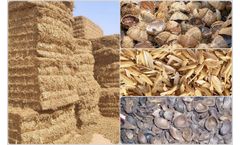
Food Waste Food waste, such as fruit and vegetable peels and food scraps, can also become high-quality feedstock for biochar production after proper treatment. ...
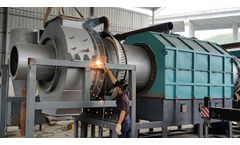
Food processing waste includes various organic materials, from fruit and vegetable peels to discarded grains and by-products. Addressing this waste efficiently and sustainably is crucial for both environmental stewardship and economic efficiency. ...
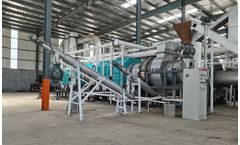
Food Processing Waste: An Environmental Challenge Diverse Types of Waste Generated Organic Residues: Food processing operations generate a wide array of organic waste, including fruit and vegetable peels, shells, and other byproducts. Packaging Materials: The industry also contributes to packaging waste, such as plastics, paper, and cardboard. ...

Here are some examples of materials that can be processed by a screw press dewatering machine: Fruit and vegetable waste: Including pulps, peels, seeds, and other byproducts from food processing.Food waste: Leftover food scraps and kitchen waste from households, restaurants, and commercial kitchens.Agricultural waste: Crop residues, plant materials, and other ...

Consider the moisture content of organic inputs Organic materials such as garden waste, food waste, and deadstock can all be composted; however each of these materials contains water. For instance, vegetable peelings contain 70% of water, chicken deadstock contains approximated 67% water, and salad or juice pulp contain 90% water. ...

The main pollutants in the wastewater include (1) solid substances floating in the wastewater, such as vegetable leaves, peels, minced meat, poultry feathers, etc.; (2) substances suspended in the wastewater include oil, protein, starch, colloidal substances, etc.; 3) Acids, alkalis, salts, sugars, etc. dissolved in wastewater: (4) Mud, sand and other organic ...

Maintaining Trash Cans: Recycle bins and trash cans can get extremely grimy and foul-smelling with the vegetable peels, sandwich wrappers, leftover food, rotten eggs, soiled diapers, and other deposits. ...

Bio-plastics - Many plastic-like resins are made from biodegradable ingredients, including cornstarch, vegetable oil and other types of plant-derived biomass. However, some "biodegradable" and "compostable" bioplastics that mimic regular plastic more closely are not necessarily biodegradable Food waste - Almost anything, including meat, cooking oil, milk, fruit and ...
Bygreen24
From the 1950s until being banned in 1975, millions of pounds of technical chlordane were applied to agricultural soil mainly for crops like corn, soybeans, and vegetables. Chlordane compounds are still found in food especially in meat and dairy fats and to a lesser extent grains and vegetables grown in treated soils. The persistence of chlordane in the soil and ...
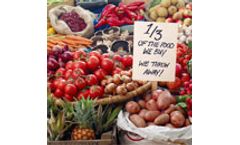
Truly unavoidable food waste, like vegetable peelings, meat carcasses and teabags, accounts for 1.3 million tonnes a year or 19% of the total, with the remainder being ‘possibly avoidable’ food waste – items such as bread crusts that some people choose not to eat and potato skins which can be eaten when food is prepared in certain ways but not in others. ...

Table of Contents Industry Description and Practices Waste Characteristics Pollution Prevention and Control Target Pollution Loads Treatment Technologies Emissions Guidelines Monitoring and Reporting Key Issues Sources Industry Description and Practices Processing (canning, drying, freezing, and preparation of juices, jams, and jellies) increases the ...