
Vegetable Peeling Articles & Analysis
7 news found
These small, safe systems allow everyday food scraps—like fruit and vegetable peelings, bread, and coffee grounds—to be transformed into nutrient-rich fertilizer through natural microbial activity. ...
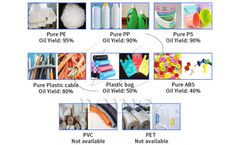
Forestry waste: Wood chips, sawdust, branches, and bark. Food waste: Fruit peels, vegetable scraps, and expired grains (though pre-treatment may be needed to remove moisture). ...
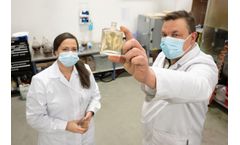
Natural Indigo Finland provides Brightplus with natural vegetable peel-based side-streams for BrightBio® water-based coatings. ...

Most common causes to clog your sewer pipe are: hair, grease, rice, vegetable peels, and other food particles. A best practice is that grease should be poured into a jar and be recycled or thrown out with the trash, and vegetable peels should be thrown out or composted. ...
Most common causes to clog your sewer pipe are: hair, grease, rice, vegetable peels, and other food particles. A best practice is that grease should be poured into a jar and be recycled or thrown out with the trash, and vegetable peels should be thrown out or composted. ...

Elizabeth from Hong Kong: Chop uncooked vegetable scraps like carrot peels or peanut and egg shells into tiny pieces and use as a fertilizer. ...

Introducing the initiative at the community’s main gathering place - the Guru Nanak Darbar Gurdwara (temple), Bexley Council installed recycling facilities at the temple’s free daily kitchen, which previously saw waste such as milk bottles, food cans and vegetable peelings going into one general waste bin. Following the introduction of the initiative the temple ...