
Refine by
Waste Generation Articles & Analysis
1,505 articles found

That is why more organizations are reconsidering where waste is compacted. Rather than transporting large volumes of loose waste long distances, many are compacting waste at the source where it is generated. ...
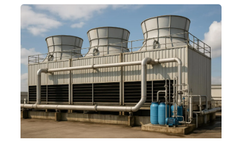
Environmental and wastewater considerations Chemical treatment generates toxic waste streams that necessitate regular flushing of treated water to maintain balance, with discharges to municipal sewer systems and associated water and treatment costs. Waste handling and regulatory fees add to total cost and environmental risk. ...

The increasing generation of agricultural residues, forestry byproducts, and organic waste has created significant challenges for waste biomass management. ...

llenges of Flue Gas Treatment in Waste-to-Energy Facilities Municipal Solid Waste (MSW) incineration with power generation is one of the most effective methods for waste reduction, resource recovery, and environmentally sound disposal. By converting waste into electricity, waste-to-energy (WTE) ...
Introduction Hazardous waste incineration and rotary kiln roasting processes generate complex flue gases containing high concentrations of carbon monoxide (CO), sulfur dioxide (SO₂), nitrogen oxides (NOₓ), hydrogen chloride (HCl), hydrogen fluoride (HF), volatile organic compounds (VOCs), and even dioxins.As environmental regulations such as China’s GB 18484-2020 ...
What Causes VOC Emissions in Furniture Manufacturing? VOC emissions are primarily generated during coating, spraying, drying, curing and solvent cleaning processes. ...

Nitrogen-containing organic waste gases are a common type of difficult-to-treat waste gas in industrial production, widely generated in industries such as carbon fiber, semiconductors, coal chemicals, pharmaceuticals, pesticides, and fine chemicals. ...

Spraying, chemical processing, electronic manufacturing, packaging and printing, rubber and plastics and other traditional manufacturing industries generate organic waste gas and volatile pollutants during daily operations. ...
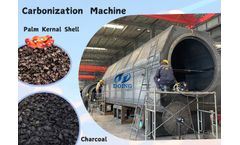
During the palm oil production process, large quantities of by-products and waste are generated. Efficiently managing these materials is not only a requirement for environmental compliance but is also emerging as a new avenue for reducing costs and enhancing efficiency. Producing biochar from palm oil processing waste is a viable resource ...

Conventional Basic Energy-Saving Transformation (General Hardware Optimization) 1. Front-End Optimization of Waste Gas Optimize the waste gas collection pipeline and block air leakage points to avoid dilution of waste gas by external fresh air and increase the inlet VOCs concentration; match zeolite rotor concentration for ...
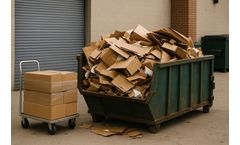
Where the Real Costs Are Hiding When hauling frequency becomes the primary waste management KPI, the view becomes narrow and can mask inefficiencies across the operation. ...

Achieving $184,500 in operational savings was possible through SVE/MPE optimization and showcasing the average 14.9 kg/day depletion rate to the regulator with effective real-time ...
ByLiORA
The economic benefits of wood waste carbonization are multifaceted. The first is revenue generation through the sale of biochar or charcoal. ...
China has ranked first in the world for consecutive years as the largest exporter of PV products. Nevertheless, complex waste gas pollutants generated during photovoltaic panel manufacturing have become a major bottleneck restricting the green and low-carbon development of PV enterprises. ...

The global textile waste crisis is intensifying — an estimated 120 million metric tons of textile waste will be generated in 2025, yet less than 1% is recycled back into new clothing. ...
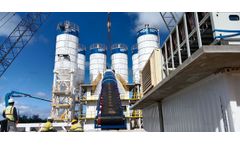
It consumes vast quantities of water. It generates dust that affects neighbouring communities. It produces waste that clogs landfills. ...
The demand for sustainable and efficient waste-to-energy solutions has led to significant advancements in pyrolysis technology. ...
Waste Minimization and Resource Recovery One of the primary environmental benefits of an oil sludge pyrolysis plant is its ability to significantly reduce the volume of waste. ...
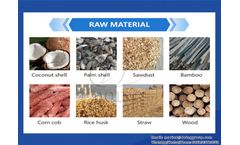
Whether in the form of agro-forestry residues—such as palm shells, coconut shells, and rice husks—or waste generated during wood processing, these materials serve as high-quality feedstocks for charcoal manufacturing. ...
Each year, millions of tons of plastic waste are generated, yet only a small percentage is effectively recycled. ...