
Refine by
Waste Plant Articles & Analysis
1,917 articles found
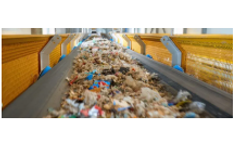
This UK-based waste-to-energy (WTE) plant boosted revenue and compliance by adopting the AMESA-B sampler, replacing unreliable manual CO2 measurements. With precise, automated biogenic CO2 data, the plant now qualifies for Renewable Obligation Certificates (ROCs), unlocking new revenue streams, strengthening regulatory confidence, and boosting ...
ByENVEA

As industries move toward resource-efficient production models, advanced recycling technologies are gaining prominence for their ability to convert waste into commercially valuable products. A continuous plastic pyrolysis plant represents an important technological advancement in this transition. ...

Coupled with the industry characteristics of variable operating conditions and highly corrosive media in petrochemical production, achieving stable waste gas treatment is extremely challenging. As environmental control standards continue to tighten, traditional single-type treatment equipment has limited adaptability and insufficient operational stability, making it difficult to ...

An amendment to the 17th BImSchV for the measurement of N2O in Germany presents operators of SNCR systems with new challenges. TÜV SÜD takes over the prescribed measurements and uses the MIR 9000P from ENVEA for this purpose. ...
ByENVEA
The UK Environment Agency (EA) requests energy-from-waste (EfW) plant operators to report Pollution Inventory (PI) emission. ...
ByENVEA
Among the most effective solutions is the pyrolysis plant, which employs oxygen-limited thermal decomposition to recover energy and reusable materials from a broad spectrum of waste streams. ...

In waste-to-energy plants, incineration is only part of the process. A large amount of bottom ash is still generated after combustion, and how to handle this material has become an important issue for many ...
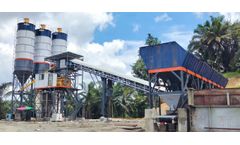
Furthermore, the adoption of variable frequency drives (VFDs) for motors and pumps ensures that energy consumption is precisely calibrated to the demand, eliminating wasteful energy expenditure during periods of low activity. This dual approach of generating clean energy and optimizing its consumption is the cornerstone of the 'green batching plant' of the ...

As global waste-to-energy (WTE) and refuse-derived fuel (RDF) standards tighten in 2026, the economic viability of a solid waste processing plant no longer depends solely on throughput. ...
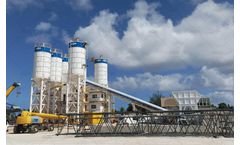
In water-stressed regions or on sites with restricted drainage permissions, a self-sufficient water recycling system can be the difference between project approval and rejection. Treat water not as waste but as a recoverable resource, and the plant's cost structure improves materially.The Business Case That Sustainability Actually Builds Winning Tenders in an ...
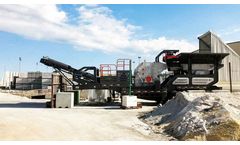
It processes rocks, ores, construction waste, and recycled materials directly at the worksite. Unlike stationary plants, mobile units do not require complex foundations. ...
By converting waste into electricity, waste-to-energy (WTE) plants play a critical role in supporting circular economy and sustainable urban development.However, the incineration process generates complex flue gas streams containing a wide range of pollutants, including:Carbon Monoxide (CO) Nitrogen Oxides (NOx) Sulfur Oxides (SOx) Hydrogen ...
Reactor Design and Heat Transfer Efficiency The reactor of waste tyre recycling pyrolysis plant architecture remains one of the most decisive factors influencing pyrolysis performance. ...
This process alleviates pressure on municipal waste management systems and mitigates the long-term environmental hazards associated with landfill accumulation, including leachate formation and subterranean pollution.Minimization of Airborne Emissions One of the key environmental advantages of a pyrolysis plant is its ability to process waste ...

STS installed the first monitor on a food waste AD plant in 2017. The plant in the UK is run by a water company and is co-located with a waste water sewage works although this is not used as feed for the Combined Heat & Power generation units. ...

The goal is to show that green concrete is also profitable concrete.Water Recycling: Turning Waste into Resource A traditional batching plant uses water for two purposes. ...

As waste volumes continue to rise globally, optical sorting machines are becoming essential technology for modern recycling facilities. ...
Automated waste sorting systems are revolutionizing recycling facilities worldwide, achieving up to 85% greater accuracy than manual sorting methods. PICVISA, a leader in machine vision and AI-based recycling solutions based in Barcelona, Spain, offers cutting-edge automated waste sorting systems that transform Materials Recovery Facilities (MRFs) and ...
"What cannot be measured cannot be managed efficiently." This principle drives modern waste management facilities to adopt advanced data analytics solutions. PICVISA, a leading recycling technology company based in Barcelona, provides AI-powered solutions including the EcoFlow flow analyzer and DATA+ service, delivering real-time waste analytics that transform ...
PICVISA, a leading machine vision systems company based in Barcelona, Spain, offers advanced glass recycling machine solutions that are transforming how the industry approaches glass waste management. A glass recycling machine is designed to crush, compact, and process waste glass such as jars and bottles, reducing volume by up to 20 times. By converting ...