
Refine by
Water Regulations Articles & Analysis
1,507 articles found
Source water protection is the practice of managing reservoir and intake quality before water reaches the treatment facility. ...
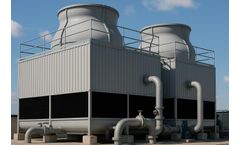
What Is a Cooling Tower Water Safety Plan? A water safety plan for cooling towers is a structured program to regulate water quality, identify hazards, monitor conditions, and implement corrective actions to ensure consistent maintenance and minimize microbial risks. ...
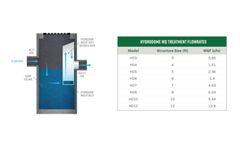
Multiple unit sizes are available to accommodate a range of site-specific water quality flowrates. The HydroDome is NJCAT and ETV verified as well as approved by the California Water Boards for trash removal. ...
It reacts quickly to changes in the process and is suitable for identifying trends before disturbances become clearly visible in other parameters. In potable water treatment, increases in turbidity can indicate changes in raw water conditions, such as weather influences, changes in water source, or turbidity surges. ...
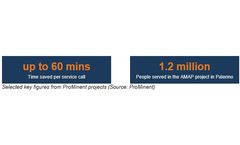
Another crucial aspect is documentation. In regulated sectors such as potable water treatment or wastewater treatment, the traceable recording of measurement data and interventions is a legal requirement. ...
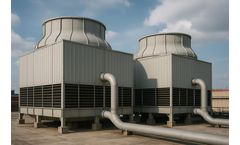
Operators must address these risk factors to prevent growth and dissemination.Important Risk Factors in Cooling TowersWarm water temperatures promote bacterial multiplicationBiofilm formation protects bacteria from disinfectantsScale and corrosion provide surfaces for microbial growthStagnant water zones reduce disinfectant circulationPoor maintenance leads to ...
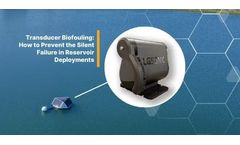
Early signs of transducer biofouling Algae blooms return in the reservoir despite the system reporting operational Water appears clear at the buoy but blooms persist elsewhere in the water body Taste and odor complaints rise during warm months Activated carbon consumption and treatment spend increase year over year No performance data beyond on/off status; ...

Carrot and parsnip processing might appear relatively straightforward on the surface, but across global markets, it is becoming increasingly complex. Processors today are balancing higher expectations around quality, food safety, and traceability with growing pressure on labour, water, and operational costs. While carrots dominate global volumes and often dictate how lines are designed, parsnips ...

Polypropylene geotextile stands out in the construction industry today with its durability and various advantages. In this article, we will delve into the features and benefits of polypropylene geotextile in ...

What Is a Lake Ecosystem and Why Does It Drive Water Quality? A lake ecosystem comprises the organisms, water chemistry, and physical processes that interact to regulate water quality, including the water column, sediments, aquatic life, and the surrounding catchment — all cycling nutrients, oxygen, and energy ...
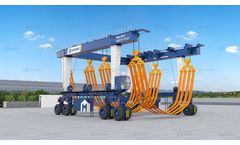
Travel lifts are essential equipment in marine environments for lifting and transporting boats, yachts, and vessels of all sizes within shipyards, marinas, boatyards, and docks. These machines operate in some of the harshest conditions where saltwater, humidity, sunlight, wind, mechanical wear, and chemical exposures can quickly degrade unprotected steel and metal components.A key factor that ...

In a major effort to protect human and environmental health, EPA works with its state, federal and tribal regulatory partners to monitor and ensure compliance with clean water laws and regulations. The Clean Water Act (CWA) is the principal federal law that governs water ...
Industrial water pollution is a widespread problem throughout the planet. When harmful chemicals and compounds are discharged into water, the water becomes unsuitable for drinking and other uses. Although most of the Earth’s surface is covered by water, we can only obtain fresh water from water bodies such as ponds, lakes, rivers, streams, and reservoirs. This means that it’s in our ...
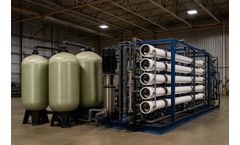
A smarter approach to industrial water management Modern feedwater management requires robust, adaptable treatment capable of handling variable source water, stricter regulations, and rising sustainability expectations. ...
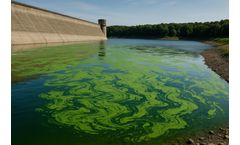
The focus is shifting from reactive treatment to proactive source water management, with regulation driving the transition. In the United States, enforceable drinking water limits for PFOA and PFOS have been established at 4 parts per trillion under the Safe Drinking Water Act. ...
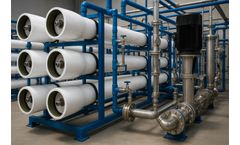
Fluence addresses these challenges through integrated system design and its Water Management Services (WMS) model, aligning treatment outcomes with site constraints, regulatory expectations, and lifecycle costs.RO Is Only One Step in the Treatment TrainRO is a cornerstone of industrial water treatment because it reliably delivers high-quality ...
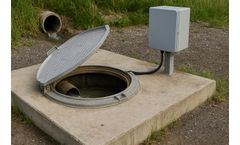
Following publication of the Environment Agency’s stringent new requirements for reporting on sewer overflows, water companies are under urgent pressure to quantify, report, and mitigate events caused by groundwater infiltration. ...
These systems play a critical role in protecting the environment, keeping equipment running smoothly, and helping businesses comply with regulations. Below are seven industries where oil water separators are commonly used. ...

Water contamination is one of the most common and damaging issues in diesel fuel storage and use. Diesel—particularly modern ultra-low sulfur diesel (ULSD) and biodiesel blends—is hygroscopic, meaning it naturally attracts and absorbs moisture from the surrounding air at a molecular level. This makes water ingress almost inevitable over time, especially in stored ...
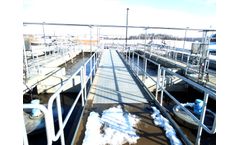
Nitrification is one of the most critical biological processes in wastewater treatment, playing a central role in protecting receiving waters, meeting regulatory requirements, and maintaining overall plant stability. Despite its importance, nitrification is also among the most fragile treatment processes. It is highly sensitive to environmental changes, operational upsets, and toxic events, and ...