
Refine by
Wine Fermentation Articles & Analysis
18 articles found

Understanding CO2 Production in Grape Fermentation When grapes undergo fermentation in a tank, CO2 gas is produced as a natural byproduct. The quantity of CO2 generated during this process is crucial because it reflects the kinetics of the wine manufacturing process. Let’s delve deeper into this fascinating ...

Saccharomyces cerevisiae, commonly known as baker's or brewer's yeast, is one of the most studied microorganisms in the realm of fermentation technology. This species of yeast has been utilized for thousands of years in various fermentation processes, including baking, brewing, and winemaking. ...

Its ability to inhibit lactic acid bacteria makes it particularly useful in cheese and wine preservation. For example, lysozyme can prevent spoilage during wine fermentation caused by malolactic bacteria. ...
Mycotoxins and GMP fermentation are two key components to consider in today's food and beverage industry. ...
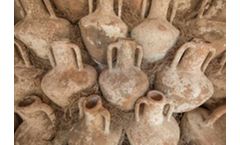
Throughout history civilisations have utilised clay pots and other vessels to create the prime anaerobic conditions for the fermentation of foods, wine and beer.Bioreactor Parts and Their FunctionsAs our understanding and technology advanced, we were able to progress to aerobic conditions in the early 20th century. ...
In addition, biopolishing and biopetrochemicals are currently the main applications of cellulase in this field. Wine and Beer Industry Cellulase helps enhance wine extraction and flavor. Processes such as fermentation, saccharification, maturation and refrigeration require a variety of cellulase enzymes, and most importantly, enzymes are used ...

Drink carbonation – CO2 gas is used to carbonate beverages such as soft drinks and beer. CO2 is also used in wine making to achieve desired flavours. Fermentation – During wine production, fermentation is used to produce alcohol however a byproduct of this process is CO2. As wineries tend to be small, enclosed spaces, ...

For nearly 10,000 years humans have been stomping grapes, mashing up fruit and honey, or spitting starchy root pulp into jars, then letting it ferment. Wine happens. That said, most commercial-scale winemakers use centrifuges. ...
ByTrucent
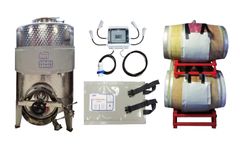
When cold weather prevents fermentation, our electric band heaters and thermostats can be installed on amphorae, steel or fibreglass tanks and wooden barrels.The EH-POWERBELT electric band heaters have been designed based on the experience of oenologists, cellarers and designers and are used as electric heaters for wine and must, especially during alcoholic ...
For example, in the processing of flour products, adding fungal α-amylase can enhance the reproductive capacity of yeast and shorten the fermentation time of bread dough. β-amylase is mainly purified by fermentation of Aspergillus, Rhizopus and Endosporium, also known as starch 1,4-maltosidase and high maltase. ...

The VITISPEC project is a 2 year industry driven research and development project that is being funded by the European Commission’s Seventh Framework Programme under ‘Research for SME – ...
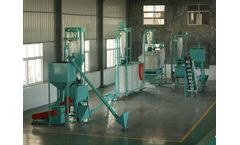
Cover the mixture with plastic film to make it ferment for 3-7days (a little longer in winter) 6. When the chicken manure become yellow green and send out not stink but tartness like wine (the longer the fermentation, the stronger the winey smell), the fermentation is finished. 7. Put the fermented chicken ...
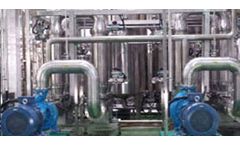
Ceramic membrane separation technology had been extensively used in food and fermentation fields. For example, it is used in the production of apple cider vinegar. ...

Deterioration and turbidity caused by microbial growth is likely to occur at high temperatures. Temperature controlled fermentation produces heat in the red wine manufacturing process. If the control of the wine refrigeration units is not added, the fermentation temperature must exceed 40 ° C (104 ° F). ...
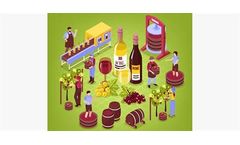
For reds, solids are left in the must, to create a more flavorful wine.Next, the young wine is transferred to fermentation tanks. The fermentation process begins when yeast is introduced to the must. ...

The manufacturing of wine and other fermented beverages has typically been a fairly simple process. Historically, the expertise of the sage wine-master was used to gauge the quality of the product. Today, many environmental concerns, health factors, and government rules, prompt the producers of fine wines to monitor ...

Solid’s MonoScan takes control in Suntime Winery, China, monitoring the wine level in over 60 wine tanks. Suntime Wine Co. in Manasi city is today amongst the top 10 list of manufacturers of red wine in China. ...

The flavor of alcoholic beverages is produced by a very large number of compounds (50). Among these, acetoin is important because of its involvement in the bouquet of wine, and it is the key compound in the biosynthesis of 2,3-butanediol and diacetyl. These two compounds are closely related to acetoin, representing three levels of oxidation in one four-carbon skeleton (8). Their contribution to ...