


- Home
- Companies
- Fluence Corporation
- Articles
Fluence Corporation articles
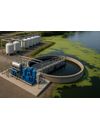
For food and beverage manufacturers, nutrient removal from wastewater is a critical compliance and cost-management issue in addition to environmental sustainability concerns.
Nutrient Discharge Is Becoming a Bigger Issue
Nitrogen and phosphorus are commonly found in food and beverage wastewater. Waste streams from breweries, dairy beverage processors, and other facilities can contain high concentrations of organic matter, nitrogen, phosphorus, sugars, yeast, and cleaning residue
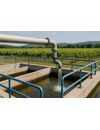
As sustainability goals tighten and water resources become more constrained, recovering nitrogen and phosphorus offers beverage and winery operators a practical path to reduce environmental impact while creating recoverable value.
Resource recovery as an asset for your beverage operation
Wineries and other beverage producers generate wastewater streams rich in organic matter and nutrients such as nitrogen and phosphorus. Traditionally, these nutrients have been removed to meet d
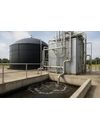
High-rate anaerobic systems provide a compact, energy-efficient pretreatment option for industrial wastewaters with high organic load and relatively low solids. Fluence's externally forced circulation (EFC) approach enhances process stability and biomass retention, enabling reliable pretreatment before discharge to POTWs and improving overall compliance performance.
The Shift from Traditional Digestion to Industrial Pretreatment
Anaerobic digestion is frequently associated with
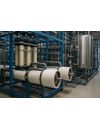
Water is a critical process input in high-tech facilities, including AI data centers and chip fabrication. High-purity and ultrapure water are required for manufacturing, while large volumes of consistently treated water sustain cooling for high-density compute resources. Even with advances in supply security and treatment technologies, reuse systems themselves influence the pace of progress.
Water Challenges in High Tech
In advanced facilities, water cycles through cooling loop
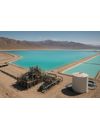
Access to a reliable water supply underpins industrial growth; climate-driven volatility in rainfall and rising demand are compelling companies to reassess water risk across operations and capital plans.
1. Lithium Mining: The Hidden Cost of the Energy Transition
The surge in lithium demand for batteries increases mining activity in regions where water is already stressed. For each metric ton of lithium recovered, about 2 million liters (528,344 gallons) of wate
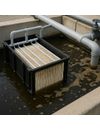
In lagoon- or reservoir-based wastewater treatment, ammonia removal can be optimized by applying biofilm-only MABR wastewater treatment.
A nitrification-only approach to wastewater treatment focuses on doing one job — well
Membrane aerated biofilm reactor (MABR) systems are increasingly used in wastewater treatment. A specific type, biofilm-only MABR, is designed to efficiently remove ammonia through nitrification, focusing on converting ammonia to nitrate in a stable, energ
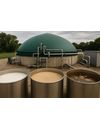
Dairy byproducts such as whey, hot whey, buttermilk, and filtration permeates are well-suited for anaerobic digestion, and yields can be further boosted with recuperative thickening.
Why Anaerobic Digestion Works for Dairy
Anaerobic digestion is a biological waste-to-energy process where microbes break down organic matter without oxygen, producing biogas, a methane-rich renewable fuel, and stabilized digestate solids. Dairy byproducts are high in organic content and readily bi
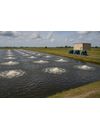
Lagoons have long served as a cost-effective backbone for wastewater treatment, especially in small and rural systems. As nutrient limits tighten, operators pursue efficiency through aeration upgrades, but higher oxygen delivery often translates into elevated energy bills. Smarter oxygen delivery, such as membrane aerated biofilm reactor (MABR) technology, can deliver the required treatment with lower energy demand.
The Real Cost Behind Lagoon Upgrades
Aeration supports the nitr
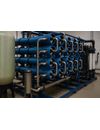
RO systems can deliver high-quality industrial feedwater, but reliable operation requires proper pretreatment of incoming water.
Water chemistry governs scaling, fouling, and membrane performance, so operators and engineers need a practical framework to protect RO performance. Implementing pretreatment before RO helps maintain consistent feedwater quality and system reliability.
Key contaminants and their impact on RO membranes
Hardness and alkalinity:
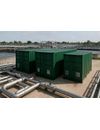
Utilities face a challenging balancing act: expanding wastewater treatment capacity to meet uncertain future demand while avoiding premature, capital-intensive overbuilds. Phased, containerized MABR-based expansion allows utilities to add capacity in stages as needs arise, reducing long-term risk and preserving capital for other priorities.
Historically, communities plan for future needs at project outset, often targeting a full-scale plant well above near-term demand. When growth is sl