


- Home
- Companies
- LG Sonic B.V.
- Articles
LG Sonic B.V. articles
Source water protection is the practice of managing reservoir and intake quality before water reaches the treatment facility. For utilities dealing with harmful algal blooms (HABs), cyanotoxins, and seasonal taste and odor events, it is often one of the most cost-effective approaches available. Prevention at the source reduces how

In June 2026 a peer-reviewed article in AWWA Opflow documents sedimentation-basin algae control using an LG Sonic ultrasonic system at Central Alabama Water's Shades Mountain Filter Plant in Birmingham, Alabama. The system was installed in April 2024. After roughly one year, the seasonal filamentous algae along the basin perimeter largely disappeared. The authors characterize the technology as chemical-free, low-maintenance for localized basin algae control, and emphasize its role as a comple
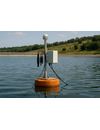
Real-time water quality monitoring enables drinking water utilities to detect contamination risks before they impact treatment operations. Using continuous sensors, automated alerts, and predictive analytics, utilities monitor algae, cyanobacteria, dissolved oxygen, pH, and temperature at 15-minute intervals, capturing issues that weekly or monthly grab sampling would miss.
The safety of drinking water starts upstream of the treatment plant. When contaminated water arrives at the plant
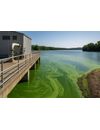
Harmful algal blooms (HABs) in drinking-water reservoirs pose multi-faceted operational risks for utilities, requiring proactive source-water management, robust monitoring, and rapid, non-disruptive response strategies to maintain water quality under regulatory constraints.
Impact on Drinking Water Utilities
HABs present challenges that extend beyond aesthetics, including toxin risks, taste and odor concerns, and regulatory monitoring. Toxins such as microcystins can persist in
Executive Summary
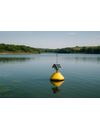
Chilmark Pond (200 acres) on Martha's Vineyard achieved 3× faster control of harmful algal blooms after deploying an MPC-Buoy in July 2025. Independent monitoring confirmed bloom dissipation in 8 days during the 2025 season, compared with 29 days in 2022 without intervention. CBS News Boston coverage in April 2026 highlighted community restoration and safe swimming conditions, underscoring the impact of early-season deployment, real-time water quality monitoring, a
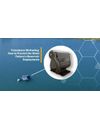
The MPC-Buoy ultrasonic algae control system can appear to operate normally while transducer biofouling silently disables treatment. Algae blooms and rising treatment costs can follow, even when status indicators show green.
Early signs of transducer biofouling
- Algae blooms return in the reservoir despite the system reporting operational
- Water appears clear at the buoy but blooms persist elsewhere in the water body
- Taste and odor complaints rise duri

Lake ecosystem water quality fails follow a predictable sequence of physical and biological processes that begin weeks before a surface bloom is visible. The analysis here is oriented toward water quality managers, utilities, and lake operators, and focuses on monitoring, thresholds, and intervention strategies that can be deployed before operations are affected.
What Is a Lake Ecosystem and Why Does It Drive Water Quality?
A lake ecosystem comprises the organisms, water chemi
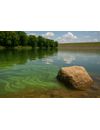
Taste and odor in drinking water are persistent consumer concerns for utilities. They are driven by geosmin and MIB, naturally occurring compounds produced by algae in source water reservoirs. While not health hazards at typical concentrations, their sensory impact drives complaints and erodes trust, and conventional treatment often cannot fully remove them. Utilities are increasingly shifting to preventive measures at the source to address these issues.
What causes taste and odor in d
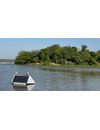
Triple A S.A. E.S.P., the utility supplying drinking water to approximately 15 municipalities in the Barranquilla region, has installed two MPC-Buoys at the Dársena Río Magdalena, a river intake on the Magdalena River, to address algae at the source before treatment.
Context: Algae risk at river intakes
The Magdalena River is Colombia's primary freshwater source for Barranquilla and surrounding communities. Raw water is collected in the semi enclosed basin of the Dársena Río
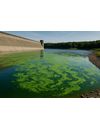
Water utilities in 2026 face accelerating operational pressures driven by climate volatility, regulatory tightening, and aging freshwater infrastructure. Seasonal planning and reactive treatment are no longer sufficient; utilities managing reservoirs and large surface water systems must confront risks that have built up over years. A unified, proactive approach is required to preserve drinking water quality amid evolving stressors.