
stack-effluent Downloads
9 downloads found

The Model 910 is a version of the Model 920 specifically configured for monitoring stack emissions on a mass rate basis. The standard configuration measures stack effluent temperature and velocity in addition to pollutant concentrations at stack conditions, enabling mass emission rates to be reported. ...
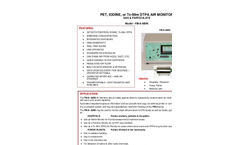
The FM-9- ABNI may be used to monitor stack effluent down to EPA levels as well as hoods, glove box or workplace ...
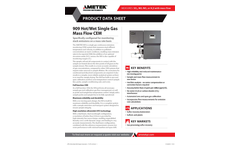
The analyzer is specifically configured for monitoring stack emissions on a mass rate basis. It measures stack effluent temperature and velocity in addition to pollutant concentrations at stack conditions enabling mass emission rates to be reported. ...

To replace the instrument onthe stack, simply set the optical head on thehinge pins, close the latch, reconnect the dataand power cables, and switch the instrument on.Since no re-alignment procedure is required,maintenance is substantially reduced.The microprocessor-based electronics containedin the optical head eliminates the need foranalog potentiometers. ...
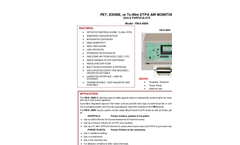
TA-Overhoff Triathlon Model CAM-TC Tritium and C14 Stack Monitors are sensitive, rugged stack or effluent monitors for designed and built for Nuclear Power Plant use. ...
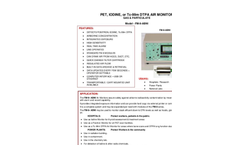
The FM-9- ABNI is more sensitive and versatile version of the broadly used long time standard, the FM-5-ABNI. They may be used to monitor stack effluent down to EPA levels as well as hoods, glove box or workplace air.DESCRIPTION:The FM-9- ABNI uses a standard charcoal filter in TA's unique quick change, no leak holder to trap any airborne Radio Iodine. ...
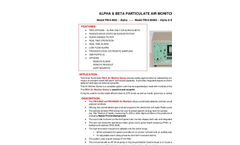
The FM-9 Air Monitor Series is sensitive and versatile. It may be used to monitor stack effluent down to EPA levels as well as hoods, glove box or workplace air. ...
Premium
The optical technology allows the sensor to be located external to the stack and behind windows, “looking” through the stack chamber (or duct or pipe). No part of the instrument is exposed to the direct flow of the media in the stack. Avoiding direct exposure to stack effluent helps reduce maintenance and ...
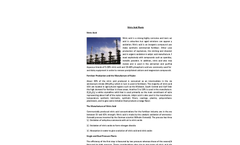
The waste tail gas is heated in the ammonia oxidation heat exchanger, expanded in a power recovery turbine and expelled from the effluent stack to the atmosphere. High Strength Nitric Acid Production A high strength nitric acid (98 to 99 percent concentration) can be obtained by concentrating the weak nitric acid (30 to 70 percent concentration) using extractive ...