
Refine by
Carbon Black Processing Articles & Analysis
58 news found
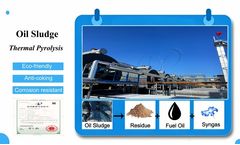
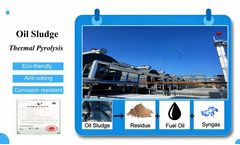
The Mechanism of Pyrolysis Pyrolysis machines function by breaking down organic components through elevated heat in an oxygen-limited setting, yielding gas (syngas), liquid (fuel oil), and solid (carbon black) outputs. The key process relies on thermal energy to break molecular bonds in organics, transforming complex structures into simpler ones. ...
The Mechanism of Pyrolysis Pyrolysis machines function by breaking down organic components through elevated heat in an oxygen-limited setting, yielding gas (syngas), liquid (fuel oil), and solid (carbon black) outputs. The key process relies on thermal energy to break molecular bonds in organics, transforming complex structures into simpler ...
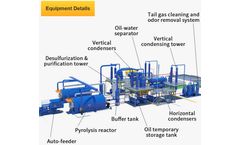
Process: Pyrolysis oil is stored in dedicated tanks. Carbon black is collected and processed, and the separated steel wire is gathered for sale or subsequent use. ...
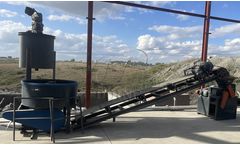
Globally, around 4 billion waste tires are either buried or stockpiled, with an additional 1.8 billion new tires discarded each year. Through pyrolysis processing, these discarded tires can be converted into valuable by-products—one of the most important being pyrolysis carbon black (PCB). ...
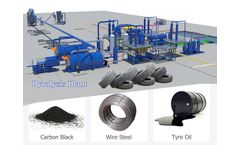
What if you could take those tires and turn them into fuel oil, carbon black, and gas through a process called pyrolysis? This method is more than just environmentally friendly—it’s a business opportunity that can provide long-term, sustainable profits. ...
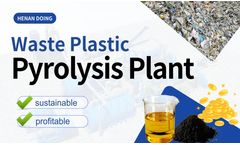
Carbon black is a fine - grained, black - colored material with a high carbon content. ...
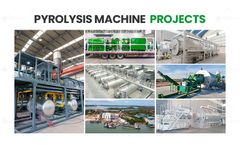
These solutions help maximize efficiency, ensure compliance with local standards, and provide flexibility for long-term and profitable operation. 1. Processing Capacity Huayin tire plastic recycling pyrolysis plants can be tailored to different daily capacities, ranging from small-scale laboratory units of 10 kg for research purposes to large, continuous industrial plants ...
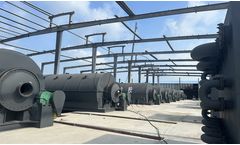
When applied to rubber, pyrolysis can convert waste materials such as tires or industrial rubber into valuable products such as fuel oil, carbon black, and steel wire. The process involves heating the rubber to a specific temperature, which varies slightly depending on the type of rubber and its physical propertie Critical Temperature Range for ...
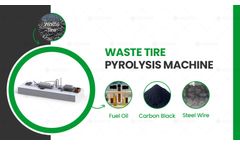
A pyrolysis plant uses high-temperature, oxygen-free environments to break down tire rubber and plastic polymers into smaller molecules, resulting in the production of fuel oil, carbon black, and combustible gas. Here's a detailed look at how this process works: 1. ...
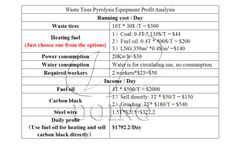
The amount of heat required to start a pyrolysis reaction can vary depending on the type of feedstock and the specific conditions of the process. Generally, the temperature range for initiating pyrolysis is between 400°C and 600°C . ...
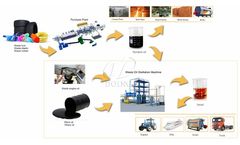
Additionally, selling the by - products of the pyrolysis process, such as oil, carbon black, charcoal, and steel wire, can generate additional revenue. ...
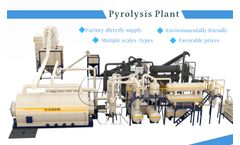
rubber tire to oil pyrolysis involves the thermal degradation of rubber tire waste in the absence of oxygen, resulting in the production of valuable products such as fuel oil, carbon black, and syngas. This process offers a multitude of advantages, both environmental and economic, making it an attractive investment opportunity. ...
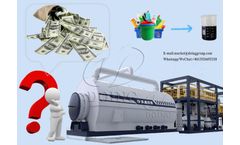
Waste plastic pyrolysis plant involves the thermal degradation of plastic waste in the absence of oxygen, resulting in the production of valuable products such as fuel oil, carbon black, and syngas. This process offers a multitude of advantages, both environmental and economic, making it an attractive investment opportunity. ...
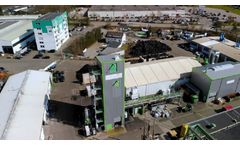
The company is currently focusing on improving the throughput of the agglomeration plant for further processing the recovered carbon black (rCB) and the new tyre shredding plant. ...
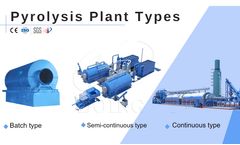
Overall, incorporating pyrolysis oil into the metal smelting process can enhance sustainability, reduce costs, and support environmental stewardship within the industry. ...
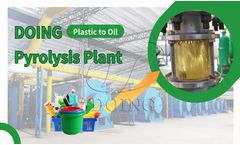
Gas Cleaning System: It comprises filters or other devices to remove impurities from the combustible gas. g. Carbon Black Discharging System: It collects and discharges the solid carbon black residue produced during the pyrolysis process. h. ...
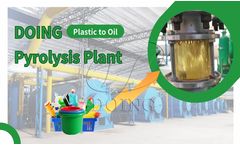
Gas Cleaning System: It comprises filters or other devices to remove impurities from the combustible gas. g. Carbon Black Discharging System: It collects and discharges the solid carbon black residue produced during the pyrolysis process. h. ...
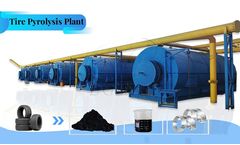
Emissions Reduction: waste tire pyrolysis machine can help reduce the environmental impact of waste tyres by converting them into useful products like fuel oil, carbon black, and steel. This process can contribute to reducing landfill waste and the associated environmental challenges. ...
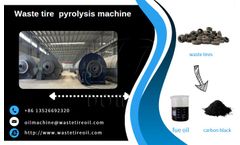
Emissions Reduction: waste tire pyrolysis machine can help reduce the environmental impact of waste tyres by converting them into useful products like fuel oil, carbon black, and steel. This process can contribute to reducing landfill waste and the associated environmental challenges. ...
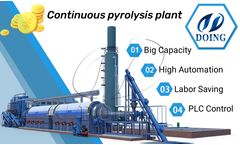
It can also be further refined into diesel using a waste oil distillation machine. Carbon Black: The carbon black produced during the pyrolysis process can be briquetted into balls for use as burning fuel or further refined to create new rubber products, such as tires, shoe soles, and paints. ...