
Refine by
Carbon Black Processing Articles & Analysis
103 articles found

In contrast, pyrolysis efficiently breaks down oil sludge into usable products like oil, gas, and carbon black. This process not only minimizes waste but also recycles valuable materials, transforming hazardous substances into resources. ...
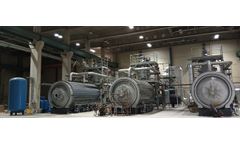
The Role of Waste Plastic Pyrolysis Plant in Waste Management A waste plastic pyrolysis plant is a facility that uses high-temperature pyrolysis to convert plastic waste into valuable products, such as fuel oil, carbon black, and gas. This process occurs in the absence of oxygen, breaking down plastic polymers into smaller molecular compounds. ...

A proactive monitoring and analytics approach will underpin cleaner, safer, and more sustainable manufacturing practices.FAQsWhich processes in automotive plants produce the most black carbon? High-temperature combustion processes such as furnaces and boilers, welding, engine testing, and diesel-powered material handling ...
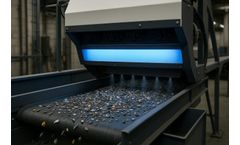
NIR also differentiates between black and pigmented polymer variants through analysis of the 1,000–1,700 nm spectral window where carbon black filler becomes partially transparent.In battery recycling specifically, NIR plays a critical role in separating the plastic fraction from shredded battery material before it enters hydrometallurgical ...

Abstract Carbon black is a form of amorphous carbon. It is mainly used as reinforcement filler in automobile tires and other rubber products, but is also used in pigments, paint, and carbon paper. ...
ByB&W Tek
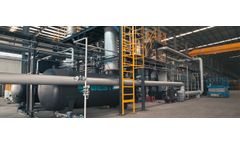
Through controlled thermal decomposition, waste tyres are converted into fuel oil, carbon black, and combustible gas. This process not only alleviates the pressure on municipal waste systems but also yields renewable resources that integrate into circular economic models. ...
This carbon material can be purified and processed into a usable form, but the final quality of the carbon black depends on various factors during pyrolysis. ...
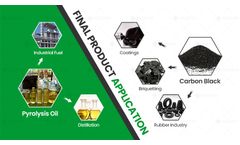
In addition, through distillation, customers can obtain heavy oil (or non-standard diesel) from tire pyrolysis oil, which is usually used for power generation. The carbon black (30%) produced during the pyrolysis process is also very valuable. ...
OTR tires, used in heavy machinery such as mining trucks, agricultural vehicles, and construction equipment, pose significant disposal problems due to their size, durability, and complex composition. However, when processed through a pyrolysis plant, these tires can be converted into valuable by-products, such as fuel oil, carbon black, and ...
These machines offer a cost-effective way to recycle plastics and convert them into valuable resources like oil, carbon black, and gas. For those considering entering the pyrolysis industry or testing the viability of such technology, a trial with a small plastic pyrolysis machine can be a strategic first step. ...
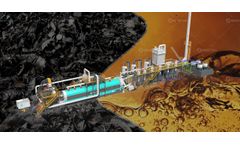
This pyrolysis process results in the production of valuable byproducts, including oil, gas, and carbon black. ...
While plants absorb CO2 during growth, burning them releases that carbon back into the atmosphere, negating any previous carbon sequestration efforts. ...
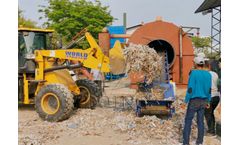
Ensure the reactor is sealed properly to maintain the pyrolysis environment. 4. Pyrolysis Process: Initiate the pyrolysis process by heating the reactor to a specific temperature range, typically between 280°C to 500°C, under controlled conditions. ...
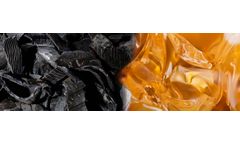
Carbon Black: A High-Value Byproduct Another valuable output of tyre pyrolysis is carbon black, a fine black powder primarily used in the production of rubber and plastics. ...
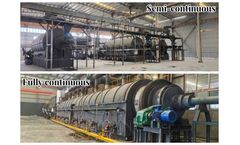
Carbon Black Processing System The solid residue produced in the pyrolysis process is carbon black, which can be collected and processed for sale or further use. Carbon Black Discharge System: Collects and discharges the carbon ...
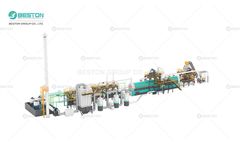
Tire pyrolysis has emerged as a viable solution for managing waste tires while generating valuable products. The process involves the thermal decomposition of tires in an oxygen-free environment, yielding various outputs, including oil, carbon black, gas, and steel wire. ...
A continuous pyrolysis plant is designed to streamline the conversion of waste materials, such as plastics and tires, into valuable resources like fuel oil, carbon black, and syngas. Understanding its operating cycle time is essential for businesses and operators to achieve efficiency, maximize output, and make informed decisions about processing ...
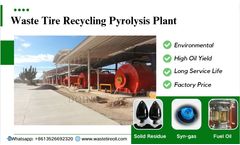
This can reduce the occurrence of knocking and improve safety. 2. Carbon black Crude carbon black is another important by-product in the tire pyrolysis process and also has high industrial utilization value. The crude carbon black produced by the waste tire pyrolysis machine can ...
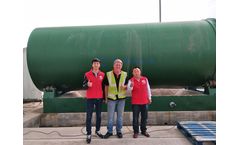
Steel Wire: Separated during processing, it can be recycled in steel mills. Carbon Black: A valuable industrial material used in rubber products, pigments, and plastics. ...
Continuous tyre pyrolysis distinguishes itself from traditional methods through its uninterrupted nature, ensuring a streamlined conversion of waste tyres into valuable resources. The process hinges on high-temperature decomposition in the absence of oxygen, yielding pyrolysis oil, carbon black, and syngas. ...