
Ceramic Testing Articles & Analysis
13 news found
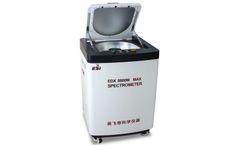
As an advanced vertical high-performance X-ray fluorescence (EDXRF) material analyzer model EDX8800M MAX comes equipped with powerful X-ray excitation systems alongside high-count-rate FSDD detectors providing excellent linear dynamic ranges facilitating higher precision process quality control across metals cement minerals mining glass ceramics sectors. The following ...
Specific testing can include testing for concentrations of specific chemicals and potentially harmful substances, such as volatile organic compounds (VOCs), heavy metals and phthalates. ...

This creates the perfect solution for applications including the heat treatment of technical ceramic materials, testing the thermal stability of semi-conductor materials and the sintering of metal (technical) ceramic composite materials. ...

At Global Research, we rarely ever start from square one on a new project. It was early testing of ceramic matrix composite (CMC) parts in Power & Water’s land-based gas turbines in the early 2000s that helped us realize these parts could work in our jet engines for Aviation. ...

Running a LOI test on the Computrac takes about 30 minutes and costs around 50p. Annual testing fees to outsourced labs to test even five samples per day would be more than £11,000 per year. Laboratory: £10 per test x 5 tests per day x 250 days per year = £11,250 Computrac: £0.50 per ...

• METAC specialty catalyst, ceramic replacement catalyst and catalyst testing services. • Expert design capabilities in all aspects of fume incineration/oxidation, energy conservation, process integration and installation packages. • Technical Service Group provides 24-hour immediate response service, planned maintenance services and spare ...

The shear test method is recommended for shear testing of calcium phosphate and metallic/substrate combinations and can provide information on the adhesive or cohesive strength of coatings under a uniaxial shear stress. ...
In order that such basic fatigue data be comparable, reproducible, and can be correlated among laboratories, it is essential that uniform fatigue practices be established. The results of the fatigue test may be used for basic material property design. Actual components should not be tested using these test methods. 1. ...
Individual laboratories shall determine their intralaboratory coefficient of variation and use it for reporting 95 % confidence limits (2,5,6). 1. Scope 1.1 This test method covers the sampling methods and analysis techniques used to assess the airborne concentration and size distribution of single-crystal ceramic whiskers (SCCW), such as silicon carbide and ...
Individual laboratories shall determine their intralaboratory coefficient of variation and use it for reporting 95 % confidence limits (1,3,4). 1. Scope 1.1 This test method covers the sampling methods and analysis techniques used to assess the airborne concentration of single-crystal ceramic whiskers (SCCW), such as silicon carbide and silicon nitride, which ...
The purpose of this test method is to determine the particle size distribution of the glass raw materials. 1. Scope 1.1 This test method covers the sieve analysis of common raw materials for glass manufacture, such as sand, soda-ash, limestone, alkali-alumina silicates, and other granular materials used in glass batch. 1.2 The values stated in SI units are to ...

CERAM (UKAS accredited testing laboratory No. 0013), is a leading provider of environmental analysis and has now obtained full accreditation for the analysis of diisocyanates collected in solutions, on glass fibre filters and those in rinse solutions with 1-(2-pyridyl)piperazine derivatization. ...
ByLucideon

atech innovations gmbh has developed a new ceramic membrane coating, that provides higher abrasion resistance than standard ceramic membranes. Results from scratch test measurements have shown up to three times higher scratch load on the new Duratech membranes which are manufactured by controlled crystal growth. Field ...