
Fly Ash Processing Articles & Analysis
7 news found
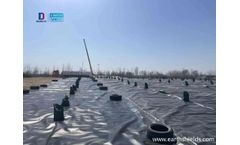
Waste incineration power plants will produce a large amount of fly ash during the waste treatment process. Among the various pollutants produced by waste incineration, fly ash may contain dioxins and can be leached by water in higher concentrations such as Cd (chromium) and Pb ( Lead), Cu (copper), Zn (zinc), Cr ...

One option is to divert MSW from landfill sites and burn it to produce electricity or heat. This process produces fly ash, which is collected from the equipment used to clean the exhaust gases. Fly ash contains valuable resources and is particularly rich in phosphorus. ...

A naturally occurring product of the coal combustion process, fly ash is universally praised for its benefits as a “green” building material that reduces the demand for carbon-intensive portland cement. ...
This makes the Verderflex Dura 55 ideal for use in a wide variety of applications including; biogas production, brewing, fly ash recirculation, chemical manufacturing, industrial processing, mining and water treatment. ...
Georg Dirk was the initial promoter of DIRK India. and introduced the use of processed fly ash as partial cement replacement in India resulting in a reduction of the concrete price by approx. 20%. ...
Municipal Solid Waste Incineration (MSWI) produces fine particles of ash, known as fly ash. This hazardous waste is generally landfilled and the search is on to find more sustainable ways of managing this waste. ...
Samples were then taken from the flue gas and the residues of the combustion process, such as the fly ash (flue gas residues from the boiler), slag (solid combustion residues from the furnace grate) and slag water (water used to cool the hot slag), and analysed for cerium content. ...