
Refine by
Nutrient Loading Articles & Analysis
87 news found
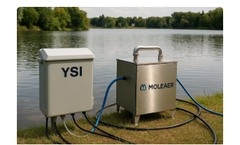
The initiative addresses harmful algal blooms, fish kills, low dissolved oxygen, nutrient loading, and declining ecosystem health in lakes, rivers, marinas, canals, reservoirs, stormwater basins, estuaries, coastal regions, and other water bodies in poor biological health. This effort aligns with EPA data indicating nearly half of U.S. lakes are impaired by ...
ByMoleaer
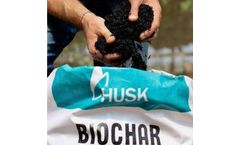
Co-pyrolysis is widely seen as the future of biochar, as it enables multiple feedstocks and nutrient sources to be processed simultaneously, embedding the macro and micro nutrients directly into the biochar matrix. This results in more consistent, higher-performance biochar based fertilisers with high nutrient content that can outperform ...
Join our experts for our FREE virtual live sessions! Book your session with our team using the link below. The information you provide will be used to match you with our top experts in your geographic region. We’ll then follow up to schedule a time to discuss your topic(s) of ...
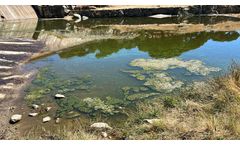
Eutrophication, induced by excessive nutrients like nitrogen and phosphorus, alters water quality by producing algal blooms and decreasing oxygen levels—posing substantial threats to aquatic ecosystems. Here, we’ll examine the key causes of eutrophication and the significance of real-time water quality monitoring, especially when it comes to comprehending conditions at different ...

Aquaintech Inc. (AITI) was the first company to successfully develop and market Bacillus spore tablets for use in aquaculture. PRO4000X, our lead tableted product, is widely used in hatcheries, RAS systems, shrimp and fishponds, reservoirs, and discharge and intake canals. PRO4000X was designed to target pond bottoms. AITI is pleased to announce the addition of the TWC Bio-Block (TBB) to its ...

Bottom Sludge Degradation and Prevention: Microbe-Lift technology targets and degrades organic bottom sludge, restoring water quality and clarity. Organic Nutrient Load Reduction: Microbe-Lift technology achieves a remarkable reduction of 60% to 90% in residual organic nutrient loading, benefiting fish and aquatic life by ...

In contrast, pathogenic microorganisms are usually the most serious water quality problem in developing countries. Nutrient Pollution and Eutrophication Eutrophication from human wastewater, livestock waste, fertilizers, air deposition, and erosion is a persistent and pervasive water quality problem. While wastewater treatment has increased in many regions, little progress has ...

Harmful algae bloom warnings (HABs) appear daily in headlines across the planet generating great, shared concern among many leading environmental researchers. Nutrient loading into waterways due to excessive fertilizer usage and runoff as well as wastewater mishandling or seepage into delicate water environments drives the now common occurrence of excessive algae ...

These on-site technologies range from very basic septic systems to more advanced aerobic processes designed to reduce the organic, solids and nutrient loading of the final effluent significantly. In many areas, on-site solutions are regulated by local building codes and may have certification by various agencies. ...

The new requirements in Issue 3.0 of the BAP Farm Standard include: A ban on antimicrobials designated as critically important for human medicine by the World Health Organization Additional social accountability clauses related to equality and worker safety Additional wildlife protection clauses about acoustic deterrent devices and entanglement Clarity on metrics such as feed conversion ...
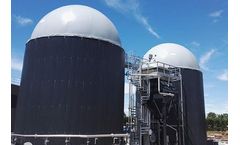
Anaerobic digestion, used to produce biogas, also improves wastewater treatment effluent A new report, “Market states and trends in renewable and low-carbon gases in Europe,” shows that many European companies are adopting biomethane, a sustainable fuel that is produced by biogas derived from organic matter. The report was published by Gas for Climate: A Path to 2050, a group of 10 ...
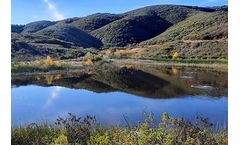
Our second project with one of the most innovative utilities in western US has kicked off, and this time we want to walk you through every detail of the MPC-Buoy installation. In case you have already read our case study with Vallecitos Water District, you can start reading about the installation from here. To see video, please click ...

In the meantime, the sale of chemical fertilizers has increased by 33%, and they are being used on almost 1.5 million acres of new cornfields. The combined nutrient load from manure and fertilizer spells trouble for both the environment and human health. While normal levels of nutrients containing nitrogen and phosphorus can safely promote plant ...

Analyzers Simplify Nitrogen (Nutrients) and Ammonium Measurement The nitrate analyzers are designed to monitor the nitrification process directly in a wastewater treatment plant’s aeration basin or clarifier unit. ...

In particular, these measures lower nutrient and sediment loading lower in the catchment; two issues which can have dramatic effects on water quality and amenity. Land use and land management measures help to reduce the loss of topsoil and nutrients. This improves agricultural productivity and lowers the cost of fertilizers. ...

Developed with advanced ion selective electrode (ISE) sensor technology and a highly intelligent transmitter, the family of Hydra-DS Analysers from Electro-Chemical Devices (ECD) simplifies the accurate measurement of harmful nitrogen (nutrients) and ammonium to maintain water quality in a wide range of environments. ...
OTT's latest monitoring technologies enable continuous monitoring which improves understanding of nutrient sources and loads, especially during episodic events such as storms and floods. These new technologies will feature on the OTT stand and experts will be on hand to discuss visitors' applications in catchment monitoring, research and enforcement, as well ...

The GWI Market Insight report shows that in Abu Dhabi, amid concerns of nutrient-loading caused by ocean discharge of treated wastewater, the government has set a target of 100% reuse by the end of 2018. ...

Because of the wastewater’s high nutrient load, the community was struggling to meet effluent quality regulations. ...

Nutrient leaching, the movement of plant nutrients from soil to water, can have negative effects on aquatic ecosystems due to eutrophication, which reduces the oxygen available in water, causing species and habitat loss. ...