
Oxidizing Biocide Articles & Analysis
11 news found

Customer Challenge A Midwest Coal Fired Power Generation Facility encountered significant challenges in managing microbial growth within the cooling water system. Their reliance on previous biocide solutions, namely sodium hypochlorite, bromine, and mono-chloramine, proved problematic due to the pH-dependent efficiency of sodium hypochlorite, which mandated the addition of sulfuric acid to ...
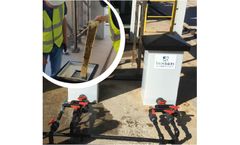
Our technology is not limited to sodium hypochlorite and can be effectively applied with any biofouling control product, including all oxidizing or non-oxidizing biocides. Due to the minimal use of biocides, it results in a cost-effective and environmentally friendly alternative to traditional biofouling control dosing practices. ...

Researchers in Hartford, Connecticut, found that women with breast cancer have 50 to 60% higher amounts of chlorination by-products than women without breast cancer. Ozone for drinking water The oxidant and disinfectant properties of ozone make it ideal for water treatment. ...
This all-organic inhibitor is ideal for use in industrial and institutional cooling systems with moderate to high oxidizing biocide demand across a wide range of pH and water hardness conditions. ...
Also, the best water treatments for Legionella prevention are oxidizing biocides which react aggressively toward metal surfaces, effectively attacking metal-clad cooling towers and shortening service life. ...
Also, the best water treatments for Legionella prevention are oxidizing biocides which react aggressively toward metal surfaces, effectively attacking metal-clad cooling towers and shortening service life. ...

It can also reduce demand for fresh water used for hydraulic fracturing (fracking) and ease transportation, regulatory, and cost issues associated with using chemical oxidants and biocides while preventing well contamination and equipment corrosion. ...
At the AWT convention, BWA’s Biocides Technology Manager, Dr. Jeff Kramer, will present a paper that goes in depth on the efficacy, synergies, practical applications, and lack of detrimental side reactions of a new non-oxidizing biocide. This biocide effectively controls biofouling in industrial water treatment systems and ...

World Water and Wastewater Treatment Chemicals Revenues ($ Millions) Subject 2009 Activated Carbon 541 Chelants 483 Corrosion Inhibitors 4,546 Defoamers 484 Inorganic Flocculants 2,681 Ion Exchange 641 Odor ...
Other major categories are inorganic flocculants, scale inhibitors, pH adjusters and oxidizers and biocides. Relatively small segments include activated carbon, chelants, defoamers, and ion exchange resins. ...
Other products in order of sales revenue are organic flocculants, inorganic flocculants, scale inhibitors, oxidizers and biocides, pH adjusters, odor control, ion exchange, activated carbon, chelates and defoamers. ...