
Refine by
Trihalomethane Articles & Analysis
12 news found

The Goleta Water District (GWD) is currently in compliance with all State and Federal drinking water quality standards, including the four-quarter Locational Running Annual Average (LRAA) total trihalomethanes (TTHM) standard of 80 micrograms per liter (μg/L). Water quality has been declining in Lake Cachuma, GWD’s surface water supply, as a result of drought and ...
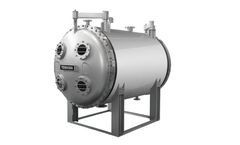
Ozone is a powerful oxidant and has many applications, including dechlorination, deodorization, inactivation of viruses and bacteria, oxidation of organic and inorganic substances and a reduction in trihalomethane*1 formation during chlorination. In addition, ozone has hardly any adverse impact on environment because it simply reverts to oxygen after use. ...

Further, chlorination generates trihalomethanes (THMs), which are disinfection by-products known to be carcinogenic. ...

Medora Corporation (Medora) and Aqua Metrology Systems (AMS) have teamed up to deliver a complete trihalomethane (THM) compliance solution for water utilities to manage harmful disinfection byproducts (DBPs). ...

However, the use of chlorine as a disinfectant leads to the formation of halogen compounds with carcinogenic potential in the presence of organic matter in water such as trihalomethanes (THM) and haloacetic acids (AHA). In addition, the efficacy of chlorine as a disinfectant in washing is determined by the location of the pathogen in the plant leaf: The internalization of ...

This method can bring along dangerous by-products such as bromine and trihalomethanes. Romagna Acque has chosen to use Grundfos ISIA systems to treat the drinking water. ...
ByGrundfos

A notable example involves his extensive work with the Contra Costa Water District in Concord, California, in the early 1980s to develop disinfection alternatives to meet new regulations for trihalomethanes (THMs). Disinfectants like chlorine are used to control microbial contaminants in drinking water. ...

Disinfection by-products (DBPs) are chemicals formed when disinfectants, largely chlorine, react with naturally occurring organic matter in the water. One type of DBP is trihalomethanes (THM) which represents a group of volatile organic compounds formed by the interaction of organic material in raw source water and free chlorine added for disinfection. ...

The most frequently reported DBPs formed during the oxidative treatment of ballast water were trihalomethanes, haloacetic acids and bromate. The most common type of BWMS were different chlorination systems, which generated variable levels of DBPs. Compared with seawater, chlorination treatment of brackish water (less salty than seawater) generated the highest levels of DBPs, ...

In the past, the organics were oxidized and broken down by chlorination, but utilities are moving away from this practice because of the production of disinfection by-products (DBPs) such as trihalomethanes and haloacidic acids. The utility has therefore sought to remove the need for chlorination from the injection point near the well and treat the raw water completely via ...

(NYSE:AWK), the largest publicly traded U.S. water and wastewater utility company, announced today it has received a grant from the Water Research Foundation to conduct research on a cost-effective treatment technique for lowering total trihalomethanes (TTHMs) in water distribution system storage tanks. The project is titled, “Localized ...

Remedial Action List (RAL) A water supply is included on the RAL for one or more of the following reasons: Failure to meet the E. coli standard at some point in the last two years; Inadequate treatment (e.g. no treatment other than chlorination or poor turbidity removal or excessive levels of aluminium in the treated water); Showing elevated levels of nitrate or being unable to meet the ...