
Refine by
Trihalomethane Articles & Analysis
171 articles found

Organic matter from algal cells raises chlorine demand during disinfection, which increases the formation of disinfection byproducts (DBPs) such as trihalomethanes (THMs) and haloacetic acids (HAAs). Both are regulated under the EPA’s Disinfectants and Disinfection Byproducts Rule. ...
Foam is one of the most frustrating challenges in wastewater treatment operations. While it may seem like just a cosmetic issue, uncontrolled foam can have serious consequences: it carries solids into the effluent, disrupts secondary clarification, creates odor problems, and even poses safety hazards for operators working around basins and tanks. Traditional methods such as water sprays, ...

When chlorine interacts with organic matter, it forms harmful disinfection byproducts (DBPs) such as trihalomethanes (THMs) and haloacetic acids (HAAs), which are linked to significant health risks, including cancer and developmental concerns (WHO, 2011). ...

When chlorine reacts with organic matter in water, it can form harmful by-products, such as trihalomethanes (THMs) and haloacetic acids (HAAs). These compounds can pose health risks and require careful management. ...

However, when chlorine is used to treat water, it can cause a chemical reaction with natural inorganic or organic compounds, which may be derived from decaying plants, algae, or animal matter, forming liquid by-products, known as trihalomethanes (THMs). Since many THMs are known carcinogens, they can pose a considerable health risk and are regulated in drinking ...

Swimming pool contamination refers to several products that can cause health problems if not prevented and maintained correctly. Using specific chemicals and cleaning methods will ensure pool water is disinfected. However, chemicals used in the wrong dosage or mixed with other compounds can have severe consequences for swimmers and pool owners. Regular maintenance, testing, and identifying ...

While aesthetic problems such as colour or taste and odour are closely linked to organics, a more serious concern is the formation of regulated DBPs which include trihalomethanes (THMs) and haloacetic acids (HAAs). NOM + Cl2 = THM, HAA, other DBPs Through continuous online organics monitoring, the coagulation process can be simultaneously optimized for both organics and turbidity ...
Unfortunately, growing research has demonstrated that NOM in water when combined with chlorine leads to the formation of potentially harmful disinfection by-products (DBPs), such as Trihalomethanes (THMs). The US EPA’s Stage 2 Disinfection By-Products Rule has been implemented to protect the publics health from these potential cancer-causing substances and improve drinking ...

These reactive organic compounds are known to be a major precursor of DBPs such as trihalomethanes (THMs) and halo acetic acids (HAAs). Organic concentration, specifically in surface water, can change quickly posing challenges for treatment plants. ...
The D/DPB rule protects consumers from harmful disinfection byproducts (DBPs) such as Trihalomethanes (THMs) and Haloacetic Acids (HAA5). Historically, the facility has had an excellent record remaining in compliance despite the challenging source water. ...

Chlorine has traditionally been used in the food industry to control microbial growth on processing equipment and wash water. Fresh-cut produce is often treated with chlorine to extend its shelf life and reduce the risk of foodborne illness. However, chlorination may produce toxic and carcinogenic chlorinated organic compounds in water. ...
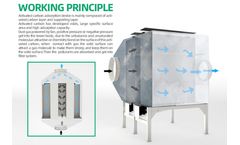
Many resin-based adsorbents are hydrophobic and can be used to adsorb VOCs in the gas phase and dichloroethane and trihalomethanes contained in contaminated ...

Abstract Awareness of risks associated with THMs in drinking water has increased steadily over the course of the last three decades. A number of technologies have been developed to provide Water Treatment Plants with the tools to perform on-line monitoring of THMs in drinking water. This article describes the state of art of on-line THM analysers and focuses on the e-nose based system. Data from ...

Like most things, too much of a good thing can be harmful. Over-concentration of disinfectant can have adverse health effects for you, your family, employees, and customers. My daughter has asthma, and she spent a lot of time in her young life at the hospital. Her symptoms continuously increased when the school year started, drastically affecting her. I believe it was a combination of things: ...
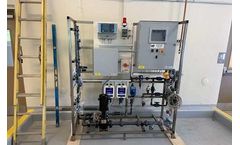
Trial achieved reduced THMs, easier maintenance, and better water qualitySituation The central water treatment department saw a need to improve their trihalomethane (THM) levels, which are a byproduct of the disinfection process using chlorine. ...

Granulated activated carbon filters can also remove specific organic and inorganic substances from the water, including chloride, some heavy metals, tannins, unwanted water disinfection byproducts, toxins created by algae, and trihalomethanes. Activated Carbon Filtration Cases Although activated carbon filtration has ancient roots, it’s still being used in modern ...

Bacteria and virus In every water pipe there are billions of bacteria and virus in layers of sediment and sludge. When released in small numbers, they are instantly killed by the chlorine in the water, but when pieces of sludge are ripped off by pressure changes in the pipes, there is not enough chlorine and you may get “intestinal flue” or some more serious ...
What about mineral water? Traditional health springs often had high contents of minerals in their waters. Whether the waters actually cured people or not is not clear, but it is clear that many people believe that minerals in water are beneficial to the body – at least some kinds of minerals. The human body needs constant replenishment of a large number of minerals. All minerals are ...

Topics: blue-green algae, taste & odor, THM removal, TTHM, hypolimnetic oxygenation, MN and FE control, treatment savings Overview: This reservoir is the raw water supply reservoir for a city, with the water treatment plant (WTP) situated adjacent to the lake. This man-made reservoir has a surface area of about 48 acres, with an average depth of 10 ft and a maximum depth of 14 ft near the ...
City tests various trihalomethane removal systems to ensure full EPA compliance. Topics: trihalomethane, THM, TTHM, spray aeration, potable water tanks, GridBee® SN Series THM Removal System Project Overview: This location had a tank battery of four similar 1.5 MG bolted steel tanks installed serving as temporary storage during the planning & ...