
Refine by
Advanced Oxidation Articles & Analysis
295 articles found
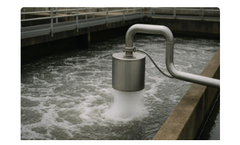
Better Water Clarity: Stronger oxidation removes more suspended impurities, delivering clearer water and aiding downstream processes. ...

Granular activated carbon (GAC), advanced oxidation, and UV treatment remove dissolved cyanotoxins effectively. ...
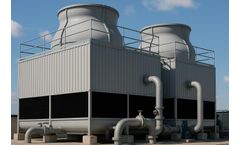
Improve Dissolved Oxygen Management Balanced dissolved oxygen levels support better water quality and reduce anaerobic zones. Advanced DO systems can enhance oxygen transfer efficiency, improving water circulation and biological control. 4. Use Advanced Oxidation Products Advanced oxidation technologies support ...
Stage 3: SCR DeNOx System for Final Polishing Following thermal oxidation, the flue gas enters the Selective Catalytic Reduction (SCR) system.The SCR unit is responsible for removing residual nitrogen oxides, including:Nitric Oxide (NO) Nitrogen Dioxide (NO₂)Using catalyst-assisted reactions between ammonia and NOx, the system converts ...

Volatile Organic Compound (VOC) emissions are among the most significant environmental challenges facing tire and rubber manufacturers worldwide.As environmental regulations continue to tighten across Europe, North America, and Asia-Pacific, manufacturers are under increasing pressure to reduce emissions, improve energy efficiency, and support long-term sustainability goals.As a leading provider ...
Introduction Hazardous waste incineration and rotary kiln roasting processes generate complex flue gases containing high concentrations of carbon monoxide (CO), sulfur dioxide (SO₂), nitrogen oxides (NOₓ), hydrogen chloride (HCl), hydrogen fluoride (HF), volatile organic compounds (VOCs), and even dioxins.As environmental regulations such as China’s GB 18484-2020 Standard for ...

Unlike conventional incineration, pyrolysis minimizes the generation of toxic gases such as dioxins, furans, and nitrogen oxides. Advanced operational controls, including temperature regulation and gas scrubbing systems, further reduce emissions, ensuring compliance with stringent air quality standards. ...
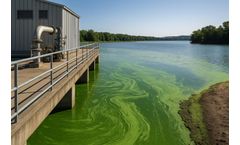
Real-world examples show measurable ROI for proactive source-water management.Treatment Plant ResponseWhen prevention is insufficient, treatment options include powdered activated carbon for taste/odor control and oxidation or advanced oxidation for toxin destruction, with chemical algaecides used only in emergencies; these can release toxins ...
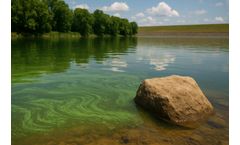
The compounds resist many standard treatment processes; activated carbon is reactive and often insufficient during severe blooms; advanced oxidation can help but is costly and not always available.Can taste and odor problems be predicted? ...
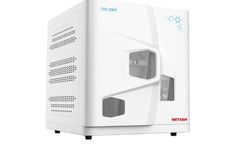
Keywords: TOC Total Organic Carbon Analyzer For Sale, TOC Total Organic Carbon Analyzer Features, TOC Total Organic Carbon Analyzer Provide Metash will share the features of TOC-5000 TOC total organic carbon analyzer for sale, which provides a comprehensive set of functions that enhance its versatility. Advanced Features of TOC-5000 Total Organic Carbon Analyzer In the realm ...

For nearly a decade, a seasoned water treatment technician had managed a 60,000-gallon open counter-flow cooling tower at a manufacturing facility near Houston, Texas. The system faced a persistent challenge: a water pH of ...

Maintaining elevated oxidative conditions disrupts microbial stability and reduces the likelihood of sustained colonization. Recent advances in oxidative enhancement technologies provide a mechanism for elevating system-wide oxidative potential, destabilizing microbial survival environments, and improving irrigation ...
In sectors such as mining and metal finishing, advanced recovery systems are being used to extract metals or salts from effluent, turning waste into usable materials. ...
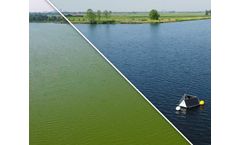
Introduction Treatment of water is the backbone of safe supply. Utilities select methods of treatment based on source risks, then verify performance with monitoring against standards. When teams design water system treatment around actual hazards, plants run efficiently, taste and odor issues drop, and compliance stays steady during blooms and storms. Below we compare these different treatment ...
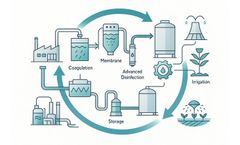
Water scarcity pressures and stricter discharge regulations are driving industrial facilities and municipal operators to implement comprehensive water reuse strategies. However, successful water reuse projects require methodical scoping that matches treatment technologies to specific water quality parameters and operational constraints. This systematic approach prevents costly oversizing, ensures ...
Cooling systems are critical for large plants, power stations, and refineries for improving operational efficiency. They control temperature, improve processes, and protect efficiency. However, these systems can harbor dangerous bacteria, the most concerning being Legionella. Legionella is more than just another waterborne microorganism. It is the bacterium that causes Legionnaires’ ...
Hydrogen peroxide is a versatile compound made up of two atoms of hydrogen and two atoms of oxygen. Its powerful oxidizing property makes it most suitable for disinfection, bleaching, and water purification. It has uses in everything from papermaking to healthcare and is a powerful bleaching and disinfectant, even at lower doses. Dive deep into this blog, which explores the science underlying ...
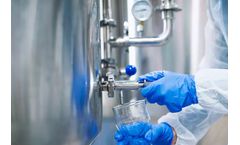
What is Water Treatment? Water treatment is the process of making contaminated and impure water suitable for drinking, industrial use, irrigation, or other purposes. It involves eliminating harmful impurities like bacteria, viruses, chemicals, and pollutants and improving the quality of water. Based on the source of water and purpose of treatment, it involves filtration, disinfection, and ...
Cooling towers play a crucial role in the operation of modern HVAC and industrial systems, serving as essential components for maintaining optimal environmental conditions. It is, however, worth noting that such structures also hide immense health risks in case they are not exposed to proper and routine maintenance. As we approach 2025, several new environmental conditions, changing climate ...
There is a dire need today for pure and safe water. The modern municipal water treatment system is not only set up to provide safe drinking water; it is meant to uplift thehealth, environmental sustainability, and economic capacity of a given population. Let us study how today’s advanced municipal water treatment contributes toward health, infrastructure, and sustainability in urban ...