
Refine by
Aerator Articles & Analysis
1,590 articles found

Watershed management is a necessary strategy, but for utilities managing active bloom problems today, it cannot be the only one. 2) Aeration and destratification Mechanical aeration systems circulate water through the reservoir to disrupt thermal stratification, introduce oxygen to deep layers, and reduce the anoxic conditions that release sediment phosphorus. ...
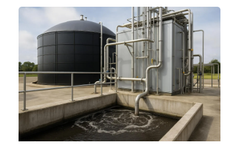
In these applications, the primary objective is reliable pretreatment, cost reduction, and stable plant operation prior to POTW discharge, rather than maximizing methane production.This shift places anaerobic systems at the core of process optimization rather than simply solids management, helping explain why high-rate systems can outperform conventional aerobic treatment at high organic load and ...
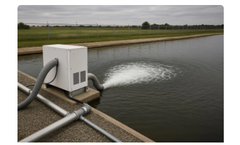
Low oxygen levels limit production rates for aquatic organisms, biological treatment, and industrial processes. Traditional aeration methods often waste energy as large bubbles rise rapidly and release oxygen at the surface before fully dissolving, resulting in inefficiency and higher operating costs.Nanobubble technology changes this dynamic by keeping nano bubbles in the water ...
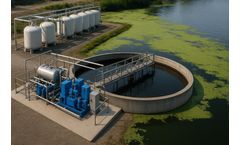
While these reduce organic load, they are energy-intensive; aeration typically dominates energy use and large basins require substantial footprints. ...

The material also contributes to improved soil aeration and aggregate stability. As a result, farmers may experience more resilient crop growth under variable environmental conditions. ...
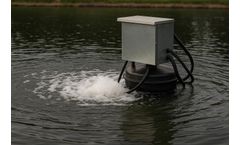
Maintaining dissolved oxygen is essential in aquaculture. Surface aerators, which float on ponds and create large splashes, are effective for small ponds but less suitable for larger water bodies. Bubble tank aeration uses thin-film bubble technology injected directly into the water column, delivering higher oxygen transfer and more uniform distribution.Oxygen ...
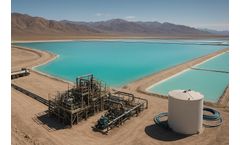
Fluence addresses this through decentralized water reuse and membrane aerated biofilm reactor (MABR) systems, enabling cooling with recycled or nonpotable water and reducing pressure on municipal supplies to support continued expansion.3. ...
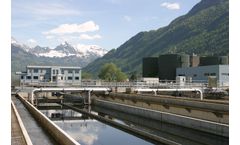
For example, conventional activated sludge uses large aeration basins and clarifiers, while MBRs trade higher capital for a much smaller footprint and higher effluent quality. ...
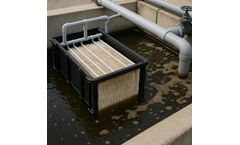
A nitrification-only approach to wastewater treatment focuses on doing one job — well Membrane aerated biofilm reactor (MABR) systems are increasingly used in wastewater treatment. ...
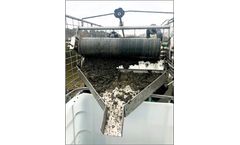
By enhancing the capture and removal of FOG within the PST, systems such as Greasebuster can help to protect downstream assets, stabilise aeration performance, and support more consistent biological treatment conditions. ...
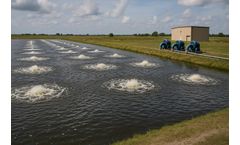
As nutrient limits tighten, operators pursue efficiency through aeration upgrades, but higher oxygen delivery often translates into elevated energy bills. ...
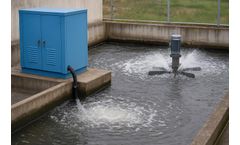
Bubble tank aeration and traditional mechanical aeration serve similar purposes but differ in efficiency, cost, and maintenance, with implications for operational performance and total cost of ownership.What is Bubble Tank Aeration?Bubble tank aeration uses a bubble tank cabinet and injects oxygen into the water. ...
Biochar’s porous structure acts like a “molecular sponge,” increasing soil aeration, retaining moisture, and preventing nutrient leaching. It also provides a habitat for beneficial soil microorganisms, such as mycorrhizal fungi and nitrogen-fixing bacteria, which enhance plant nutrient uptake and immunity while suppressing harmful pathogens. ...

Conversion of Jet Aeration to EDI Diffuser System brings energy savings and a quick return on investment. ...
Reuse-quality water is the product of this high efficiency treatment system and SiteWorks maintenance package engineered for high variability, elevated temperatures and high ...
Aeration upgrade allows winery to minimize energy consumption and double handling capacity during their peak season. ...
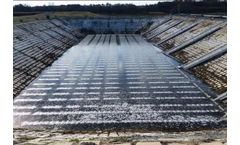
Plant upgrade allows simplified maintenance and room for future expansion while meeting compliance. Project Information Project Type: Municipal wastewater treatment Size: Services 4,400 people + Several Industries Design Flow: 1.7 MGD Treatment Objectives: Higher O2 transfer and superior mixing throughout basin for increased DO levels, Significant reduction in air demand results in 28% ...
Reducing energy costs by installing a FlexAir Pro fixed grid aeration system. Project Information Project Type: Municipal wastewater treatment Completion Date: February 2014 Treatment Objectives: Design flow: 10,000 m³/day (2.6 MGD) Treatment requirements: SOTE: 39.50%, OTE: 4.92 kg O2/kWh energy efficiency ...
Innovative SiteWorks installation of FlexAir Pro fine-bubble allows large northeastern plant to realize savings overnight. (Well, three days, but still.) Project Information Location: Bridgeport, CT Capacity: 30.0 MGD, (114,000 m³/day) Tanks: 6 Peak Flow: 50.0 MGD, (189,000 m³/day) Completion Date: 2017 ...
At one of North America's largest treatment facilities, SiteWorks gives 31-year old aeration system new life. Project Information Location: Denver, CO Design Flow: 220 MGD, (830,000 m3/day) Diffusers Replaced: 64,000+ ...