
Refine by
Algae Control Articles & Analysis
285 articles found
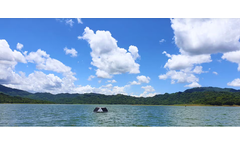
The downstream effects are both operational and financial. Algae entering the intake clog filter media. This reduces filter run times and increases backwash frequency. ...
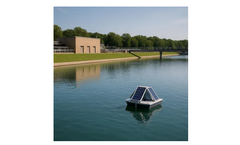
In June 2026 a peer-reviewed article in AWWA Opflow documents sedimentation-basin algae control using an LG Sonic ultrasonic system at Central Alabama Water's Shades Mountain Filter Plant in Birmingham, Alabama. ...
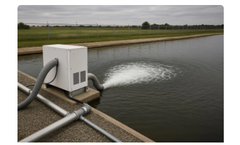
Higher ORP levels help reduce contaminants, contributing to clearer water, fewer pathogens, and reduced algae growth. The prolonged suspension of nano bubbles also improves gas retention, supporting enhanced biological activity with lower energy demand.Major Performance AdvantagesIncreased dissolved oxygen levelsBetter water clarityEnhanced ORP performanceReduced ...
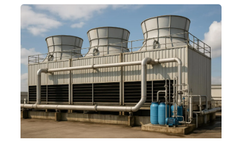
Chemical treatment programs Conventional approaches use corrosion inhibitors to protect metal piping, oxidizing biocides to control microbial growth, and pH control to maintain chemistry. While effective in preventing corrosion and fouling, these programs require handling of potent liquids, carry spill risks to personnel, and generate hazardous wastewater for ...
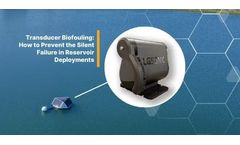
The MPC-Buoy ultrasonic algae control system can appear to operate normally while transducer biofouling silently disables treatment. ...

In 2012, three EnviroSonic ES300 ultrasonic units were installed across two solar-powered pontoons to address recurring blue-green algae (cyanobacteria) blooms. Each unit emits targeted ultrasonic frequencies that disrupt the buoyancy of algae cells, preventing their proliferation without the use of chemicals. ...
Success: The EnviroSonic units have successfully stablised the algae biovolume in the settlement ponds so that the treated water can be released for local irrigation. No chemicals have been required to control algal blooms since EnviroSonic was installed. ...
It is approximately 16 square kilometres at its peak and was affected by heavy algae which must be controlled before release to the 660,000 ha of irrigated area of grapes, fruit and rice crops. EnviroSonic: A trial was initially conducted to establish the effectiveness of the EnviroSonic ES300 units in controlling this seriously high ...
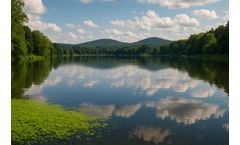
more algal growth; Key risk threshold: DO below 2 mg/L in the hypolimnion; Timeline: Internal loading can sustain blooms 5–10 years after external inputs are controlled. For a detailed framework on diagnosing and resolving lake algae problems, guidance is provided in industry resources on algae control and nutrient management. ...
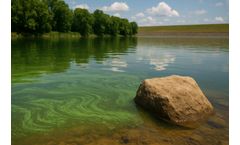
Strategies include:Reservoir destratification to reduce cyanobacterial dominanceNutrient load reduction from agricultural and urban runoffSelective intake withdrawal from depths with lower algaeReal-time water quality monitoring for early interventionUltrasonic algae control to suppress cyanobacterial growth without chemicalsUltrasonic technology addresses taste ...
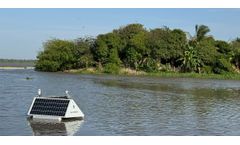
E.S.P., the utility supplying drinking water to approximately 15 municipalities in the Barranquilla region, has installed two MPC-Buoys at the Dársena Río Magdalena, a river intake on the Magdalena River, to address algae at the source before treatment.Context: Algae risk at river intakesThe Magdalena River is Colombia's primary freshwater source for Barranquilla ...

For nearly a decade, a seasoned water treatment technician had managed a 60,000-gallon open counter-flow cooling tower at a manufacturing facility near Houston, Texas. The system faced a persistent challenge: a water pH of ...

Introduction A bloom doesn’t always arrive with a neat, predictable timeline. One week the water looks normal, the next you get green streaks along the downwind shore, then the surface turns into a patchwork. If that shift continues on to become large scale algal blooms, it’s no longer just a cosmetic issue, it’s an operational issue that requires careful management. For ...
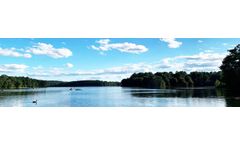
Introduction When a lake or reservoir turns bright green, the issue is rarely “just algae.” Blooms can signal a shift in water quality that affects aquatic life, recreation, and the reliability of a community’s water supply. This guide explains the basics of freshwater blooms and the practical steps used to stop water contamination before impacts reach drinking ...
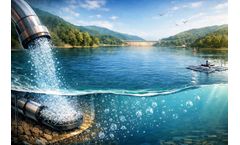
Water quality management is a significant challenge worldwide. There is oxygen depletion, algae proliferation, and decreased water quality. But modern science provides a strong solution. The nanobubble water treatment reservoir method provides a long-term water improvement solution with minimal energy consumption. Less than 200 nanometers is the diameter of nanobubbles. Their size keeps them ...
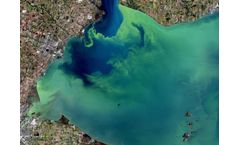
Introduction Across drinking water reservoirs and managed lakes, operators keep coming back to the same question: what is the best practice to prevent algae growth while still protecting ecosystems, budgets and public trust? Blooms can seem to appear almost overnight, turning clear water into green streaks or scums, releasing toxins, and in the worst cases forcing closure of ...

The algae growth has been a threat to ponds, lakes, lagoons, and most industrial water systems. ...

Clean water treatment needs more innovative tools. Today, many facilities look for systems that deliver fast results without chemicals. Therefore, ultrasonic technology has become a powerful option. It improves tank clarity, reduces manual work, and boosts operational stability. Most importantly, it transforms how treatment plants handle algae. The Ultrasonic algae clarifier tank approach is now ...
A healthy pond stays clear, balanced, and beautiful. Yet, algae growth can quickly disturb this balance. Thick mats of algae block sunlight and reduce oxygen—fish struggle. Plants decline. Water quality drops. Many owners turn to chemicals. However, these options often offer only short-term relief. Today, ponds need smarter and safer methods. This is where Pond algae ultrasonic treatment ...
Ultrasonic waves are a latest innovative, non-chemical method for controlling algae in ponds, lagoons, and reservoirs. This method is consistent, and it also safeguards aquatic life. ...