
Refine by
Biodegradation Articles & Analysis
1,287 articles found

Polymer & Hybrid Nanoparticles: DSPE-PEG works with biodegradable polymers like PLGA, PLA, and PCL to form core-shell architectures. ...

Effective resource allocation and enhancement to operational efficiency. With only 6 sensors and LiORA Insights there was dramatic acceleration in decision-making processes with sensor data and analytics to showcase: Bioremediation injection effectiveness NSZD rates quantified for transition decision Vapor intrusion protection maintained Portfolio optimization achieved ...
ByLiORA

Heavy metal copper ions are non-biodegradable, and discharge of untreated copper-bearing wastewater poses severe threats to aquatic ecosystems and soil. ...

As global awareness of plastic pollution grows, PLA (Polylactic Acid) has emerged as a promising biodegradable alternative to conventional plastics. However, proper sorting and recycling infrastructure is critical to realize its environmental benefits. ...

Among the most problematic waste streams, discarded tires occupy a particularly critical position due to their non-biodegradable composition, massive accumulation rates, and potential environmental hazards. ...
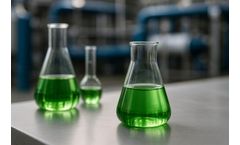
They reduce the surface tension between liquids, enabling emulsification and removal of pollutants in water treatment processes.They are naturally biodegradable, and their environmental performance can be favorable compared with some conventional surfactants. ...
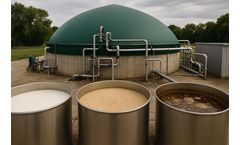
Dairy byproducts are high in organic content and readily biodegradable, enabling efficient and consistent biogas production. Benefits include on-site biogas generation, reduced disposal costs through volatile solids reduction, and agronomically valuable digestate. ...

A University of Washington study evaluates sustainable bioplastics from algae, focusing on sugar kelp-derived materials, their seawater biodegradability and comparative life cycle environmental impacts relative to polylactic acid (PLA).The algal approach offers a feedstock-independent alternative that is naturally biodegradable, addressing concerns about reliance ...
Landfill waste management has become a critical environmental challenge due to the growing accumulation of non-biodegradable materials, particularly plastic. Traditional methods of waste disposal, such as landfilling and incineration, are becoming increasingly unsustainable due to their environmental and health risks. ...
Leaks from these systems can contaminate soil and water sources if not managed properly. The use of non-biodegradable oils or improper disposal of contaminated materials further exacerbates environmental risks.5. ...
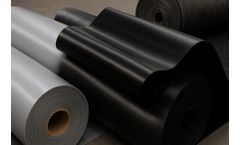
EarthShield states its geomembranes are manufactured with 100% virgin HDPE and carefully controlled dispersion of antioxidants and carbon black to optimize UV resistance and aging performance, supporting a 50-year service cycle in typical environments.Operating environment: UV exposure accelerates degradation; buried installation with protective cover reduces UV exposure; chemical exposure, ...
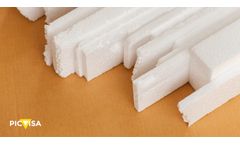
This is why it is being displaced by other materials such as cardboard or the bioplastic PLA (PolyLactic Acid), derived from corn starch or sugar cane, which is biodegradable and compostable.However, the spearhead of the recycling sector is to opt, as we shall see, for innovative technologies. ...

To prevent this, we must reduce disposable plastic use, support the circular economy, and promote ocean clean-ups and environmental awareness, according to WWF Spain and the European Parliament.In addition to investing in biodegradable plastics, stricter regulations are needed to manage pollution effectively.Proper waste sorting and management are key to enabling the reuse of ...

This study develops a biodegradable photocatalytic membrane with titanium dioxide (TiO2, p25) nanoparticles with a polylactic acid (PLA) support to remove volatile organic compounds (VOCs) from indoor air. ...

They are known as bioplastics and are made from materials such as biomass, algae, bacteria, corn starch or other renewable natural resources. They are biodegradable plastics, which means that they can decompose faster and with less environmental impact, especially under proper industrial composting conditions. Whenever we can, let’s choose biodegradable ...

When the time came for a new water line through Denver Water (Colorado) to be installed, a sediment control perimeter device was needed to protect the limits of disturbance from sediment intrusion. Bowman Construction Supply out of Denver, CO worked with their contractor Powell Restoration to submit approximately 4,000 LF of WattleFence for approval in lieu of traditional silt fence and standard ...
The U.S. Green Building Council (USGBC) has developed The Leadership in Energy and Environmental Design (LEED) Green Building Rating System to encourage and accelerate the practice of sustainable green building and development. There are a variety of categories in the LEED' Rating System: Sustainable Sites (SS), Water Efficiency (WE), Materials & Resources (MR), Regional Priority (RP). ...
In 1912 the city of Boerne bought the land for the Riverside Park for $1.00. In 1962 a massive flood caused extensive damage to the area, and so in 1978 the Second Cibolo Creek dam was built, thus creating the Boerne City Lake in the process. Since then incremental changes and improvements were made to the park, but never a complete overhaul. In 2023 a complete renovation and restructured of the ...
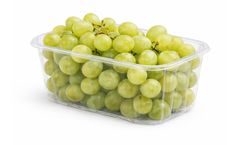
Typically constructed from durable plastics, such as polypropylene or high-density polyethylene, or from robust biodegradable composites, these punnets can endure repeated handling, washing, and transportation. ...

Facilitating Hands-On Experience with RemScan for Bioremediation Studies in Science Technology Engineering and Mathematics (STEM) Education at RMIT. ...