
Refine by
Biofuel Refining Articles & Analysis
8 articles found

Applications of Alumina Catalyst Carriers Alumina catalyst carriers are used in a wide range of industrial processes, including: l Petroleum Refining: The production of gasoline and diesel fuel depends on alumina-supported catalysts for catalytic cracking and hydrodesulfurization processes. l Chemical Manufacturing: Manufacturers employ alumina carriers during the production ...
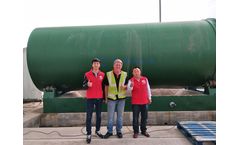
Businesses specializing in recycled materials can establish a steady supply chain by partnering with pyrolysis plant operators. Refined Fuel Producers: Further processing pyrolysis oil through distillation can transform it into usable fuels like diesel. Businesses focusing on refined biofuels can create a niche market for this eco-friendly ...

Product Recovery: The resulting products are collected and can be further refined or utilized directly depending on their intended application. ...
Pyrolysis Oil: Also known as bio-oil, it can be further processed into biofuels. In slow pyrolysis, the extended thermal treatment duration allows for better control over the reaction, producing a higher biochar yield. ...
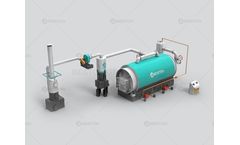
Byproduct Harvesting: Apart from biochar, the pyrolysis process produces bio-oil and syngas. Bio-oil can be further refined into biofuels, while syngas can serve as a source of renewable energy. ...
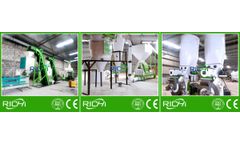
4 significant problems ought to be taken notice of when getting biofuel pellet machine. Biofuel pellet devices are pellets that make timber chips right into biomass gas. ...

Chemical adsorption, also known as chemisorption is the process that results from a chemical bond between adsorbate molecules and particular surface locations on a material which are called active sites. This article will outline the process of chemisorption and its relationship to ...

Forest industry is a major user and supplier of biofuels. Sawmills use bark and shavings internally as fuel. The surplus goes to district heating plants, production of refined biofuels and the board industry. ...
ByElmia AB