
Refine by
Nutrient Management Articles & Analysis
151 articles found
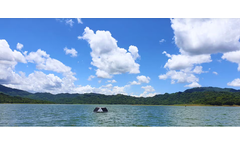
The main categories are: 1) Watershed and catchment management Nutrient loading from agricultural runoff, urban stormwater, and failing septic systems drives eutrophication and cyanobacterial growth. Long-term watershed management programs reduce nutrient inputs through buffer zones, best management practices ...
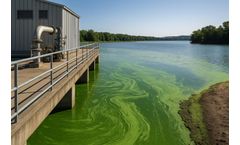
Real-time buoy-based systems enable remote data access to support proactive management. For nutrient-focused monitoring, continuous phosphate monitoring can illuminate conditions favorable to bloom formation before population surges.Prevention and ManagementThree fundamental approaches exist: prevent blooms at source, reduce long-term nutrient ...
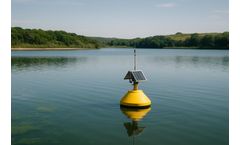
The March 2025 cut remained open for 33 days, allowing sustained saltwater flushing that reduced nutrient concentrations. The approach combined physical restoration, nutrient management, and proactive bloom prevention to address both symptoms and underlying drivers. Key Success Factors Early-season deployment: MPC-Buoy placed in July ahead of ...
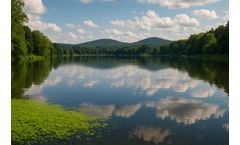
Habitat zones and what they signal for lake managers Littoral zone: Nearshore, light-penetrating areas with aquatic macrophytes that stabilize sediments and compete with algae for nutrients. ...
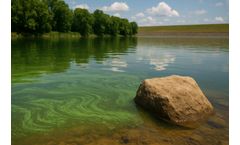
Continuous monitoring integrated with source water management allows proactive interventions before compounds reach treatment.How can taste and odor problems be prevented in source ...
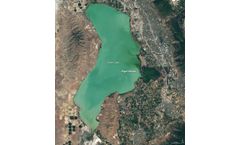
Introduction When people talk about water quality, they often focus on clarity or colour, but lake nutrients quietly shape almost everything that happens below the surface. ...
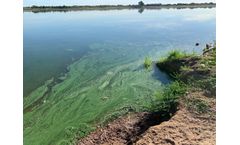
Excessive algae growth can transform a beautiful lake into an unsightly, potentially dangerous water body that threatens aquatic life and creates other problems such as fish kills and swimmers itch. This makes swimming, fishing, and recreational activities unpleasant or impossible. Similarly, water temperature is among one of the major driving factors for algae growth. Whether you’re ...

Advanced technologies help in the removal and recovery of nitrogen and phosphorus Meat-processing facilities generate wastewater that contains high concentrations of nitrogen and phosphorus. These nutrients are by-products of organic matter, like proteins and amino acids. While essential for biological functions, when discharged in excess, they pose serious environmental risks by triggering ...
Looking to elevate your water quality monitoring? Algae growth disrupting your water processes? Dive into this article to learn about advanced strategies and innovative solutions that can transform your monitoring efforts. We cover real-time phosphate tracking, autonomous systems, and eco-friendly technologies to improve water ...

Growing conditions have been perfect over the last few weeks, so fertiliser has been going on ‘a plenty’ but have you a Nutrient Management plan (NMP) in place? Many businesses have signed up to nutrient planning as part of their Sustainable Farming Incentive (SFI) agreement, and the Environment Agency is looking very closely at ...
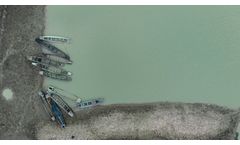
Summary Low dissolved oxygen (DO) is indicated by high plant abundance, slow-moving water, and the presence of organic waste. Excess nutrients and warm, stagnant water cause harmful algal blooms (HABs), leading to oxygen depletion in lakes. ...
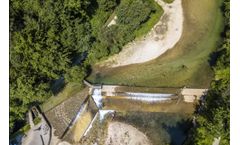
Harnessing Smart Solutions for Wastewater Management Effective wastewater management is essential to preserving water quality and ensuring long-term sustainability. ...
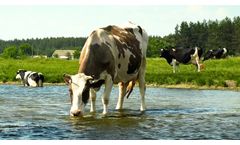
Water is the lifeline of agriculture. Its quality plays a pivotal role in crop health, yield, and overall farm productivity. However, one of the most persistent threats to agricultural water sources is algal blooms. These can severely degrade water quality. Hence, achieving algae-free waterbodies is a necessity. Harmful algal blooms (HABs) occur when algae colonies grow uncontrollably in fresh ...

l Agriculture: Monitoring pigment content in crops can guide nutrient management and optimize yield. l Ecology: Pigment analysis provides insights into ecosystem functioning, such as plant adaptations to changing environments. ...
Treatment offers environmental and economic benefits Digestate, a byproduct of wastewater treatment, plays a pivotal role in nutrient management and waste disposal. Technologies are available for treating digestate to maximize both environmental and economic ...
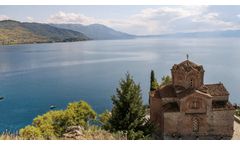
Most lakes are geologically young, usually forming within the last 10,000 to 20,000 years. But ancient lakes have been around for thousands to millions of years, making them unique. These lakes are home to one-of-a-kind ecosystems, with species that have evolved over millions of years. They also hold layers of sediments with fossils that give us clues about Earth’s past climates and ...

Kamala Farms is a leading name in hydroponic farming in India, and faced its own set of challenges in scaling operations and managing its network of client’s farms. By adopting KhetiBuddy’s farm management solution, Kamala Farms transformed its business process and consulting practices, optimizing its processes and driving significant improvements. Kamala Farms initially struggled ...
SOUL LYF is a pioneering farmer extension firm. It is at the forefront of this revolution, guiding and servicing over 50,000 farmers in Madhya Pradesh and Gujarat. By embracing digital solutions, SOUL LYF is redefining conventional farming methodologies, enhancing productivity, and promoting bio-dynamic farming practices. SOUL LYF is a private entity with a strong commitment to biodynamic ...
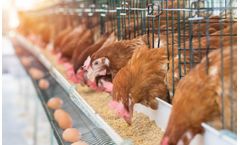
As feed usually represents about 60-70% of the cost of animal production, it is beneficial to have precise information on the nutrient content in your different feed raw materials to formulate feed for animals and achieve effective feed ...

The demonstrations range from trees to shrubs producing anything from wildlife habitat to timber products to nuts and berries to neutraceuticals to floral cuttings and so on. Nutrient Management Planning - various sites across PEI A Nutrient Management Plan (NMP) is a document that describes the production practices that a farm ...