
Refine by
Odor Compound Articles & Analysis
142 articles found

When the algae bloom season starts sooner and lasts longer, monitoring windows stretch, and treatment plants work harder. Moreover, the risk of taste, odor, and cyanotoxin events climbs with every extra week. This article covers what is driving these conditions, what a longer season means for utilities, and what managers can do. ...

For utilities dealing with harmful algal blooms (HABs), cyanotoxins, and seasonal taste and odor events, it is often one of the most cost-effective approaches available. ...

VOC Control Solutions for Pharmaceutical Manufacturing Pharmaceutical manufacturing is one of the most heavily regulated industries for volatile organic compound (VOC) emissions. Compared with many industrial sectors, pharmaceutical exhaust gas is characterized by highly complex pollutant compositions, significant fluctuations in operating conditions, strong ...
By converting waste into electricity, waste-to-energy (WTE) plants play a critical role in supporting circular economy and sustainable urban development.However, the incineration process generates complex flue gas streams containing a wide range of pollutants, including:Carbon Monoxide (CO) Nitrogen Oxides (NOx) Sulfur Oxides (SOx) Hydrogen Chloride (HCl) Hydrogen Fluoride (HF) Volatile ...

Introduction Soldering operations in electronics manufacturing generate more than just visible smoke. When flux compounds are heated during soldering, they release volatile organic compounds (VOCs), resin vapors, odors, and fine airborne contaminants that can accumulate rapidly in enclosed workspaces. ...
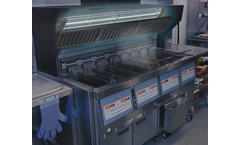
At the same time, oxidation processes can reduce odorous substances and organic compounds in the air. By breaking down grease particles early in the process, the amount of grease transported further into the ventilation ducts is significantly reduced. ...
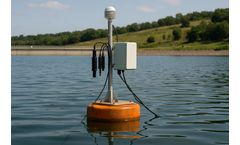
When contaminated water arrives at the plant, operational disruption, taste and odor complaints, and regulatory violations can already be underway. Real-time monitoring shifts this dynamic by detecting issues at the source when intervention remains possible. ...
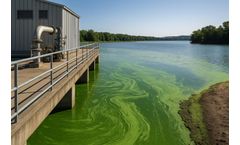
Taste and odor compounds (geosmin and 2-methylisoborneol) can trigger customer complaints at low concentrations, even when health standards are met. Water utilities must maintain continuous service while addressing source-water contamination, treatment plant performance, customer communications, and reporting requirements.HAB Development in ReservoirsHABs arise ...
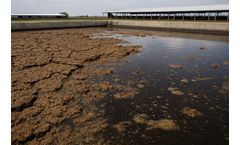
Crusting at the surface, inconsistent pump-out, rising odor, and persistent fly pressure recur even with regular treatment. ...

Internal loading prolongs the problem: Phosphorus accumulates in lake sediments over years; when bottom-water dissolved oxygen drops below 2 mg/L, iron-phosphorus compounds dissolve and release stored phosphorus back into the water column. ...

Utilities are increasingly shifting to preventive measures at the source to address these issues.What causes taste and odor in drinking water?Taste and odor arise from naturally occurring organic compounds produced by algae and cyanobacteria in source water bodies such as reservoirs, lakes, and river intakes. The two most prevalent ...
Introduction to Industrial Odor Control Unpleasant odors are more than just an inconvenience. In industrial and commercial facilities, they can reduce employee productivity, harm visitor experience, and even create compliance issues with environmental regulations. That’s where industrial odor remediation becomes essential. By implementing the right control strategies, businesses can ...

Comparison of Ozone, HEPA filters, bipolar ions, photocatalysis, and other sanitization systems for ambulances In recent years, ambulance sanitization has become increasingly central to the safety of healthcare workers and patients. There are various technological solutions available on the market for sanitizing the sanitary compartment, but not all guarantee the same level of effectiveness ...
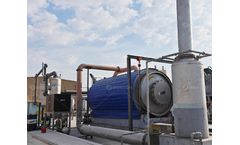
Filtration units, flue gas scrubbers, and catalytic oxidizers are incorporated to meet air quality thresholds and reduce odor, particulate, and volatile organic compound (VOC) emissions. Modern small scale pyrolysis plant units feature real-time monitoring systems, enabling municipalities to maintain transparency and demonstrate compliance. ...
Wasteater treatement odor can be a persistent and unpleasant issues for wastewater management plants or residents living nearby. These odors are primarilty generated during the breakdown of organic materials in a wasterwater treatment plant and can pose environmental and health concerns. Many of these odors originate from vapor phase emissions, which disperse into the atmosphere and affect ...

Quality Sitework Materials and Vapex Environmental Technologies helped the City of Thibodaux with an odor control problem at one of its lift stations recently. QSM represents Vapex in Louisiana, South Mississippi, and the Panhandle of Florida. Vapex designs and manufactures odor control technology deployed at wastewater plants, lift stations, and commercial facilities. ...
The Harrison Wastewater Treatment Plant is a 2.3 MGD average daily design flow wastewater plant servicing the City of Harrison in Southwest Ohio. During the pilot testing, the plant was receiving an average daily flow of approximately 1.1 MGD. Due to local industries and residential waste, the influent wastewater to the Harrison plant occasionally experiences a high fat, oil, and grease (FOG) ...

Last March, residents of Sector 28 Vashi, Navi Mumbai complained of a toxic smell from the local industrial area. The people said that the chemical manufacturers in the neighbouring Trans Thane Creek (TTC) industrial region are the source of the toxic smell. They complained that the toxic smell caused severe discomfort affecting their health and caused contamination of water (Free Press Journal- ...
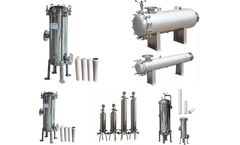
Carbon Filters – Primarily remove chlorine, odors, and organic compounds. ? Pleated Filters – Designed for a higher surface area, catching smaller particulates. ? ...
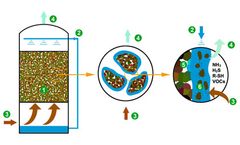
Explore the world of biological processes for treating VOCs and odors. Learn how microorganisms attached to carrier media break down pollutants into harmless substances, and discover the benefits of biofiltration, biowashing, and biotrickling filtration. Efficient Treatment of VOCs and Odors: An Overview of Biological Processes The treatment of volatile organic ...