
Refine by
Ultrasonic Algae Control Articles & Analysis
84 articles found

The downstream effects are both operational and financial. Algae entering the intake clog filter media. This reduces filter run times and increases backwash frequency. ...
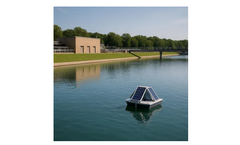
In June 2026 a peer-reviewed article in AWWA Opflow documents sedimentation-basin algae control using an LG Sonic ultrasonic system at Central Alabama Water's Shades Mountain Filter Plant in Birmingham, Alabama. ...
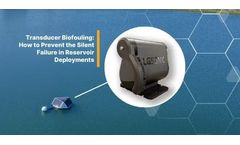
The MPC-Buoy ultrasonic algae control system can appear to operate normally while transducer biofouling silently disables treatment. ...

Lake ecosystem water quality fails follow a predictable sequence of physical and biological processes that begin weeks before a surface bloom is visible. The analysis here is oriented toward water quality managers, utilities, and lake operators, and focuses on monitoring, thresholds, and intervention strategies that can be deployed before operations are affected. What Is a Lake Ecosystem and Why ...
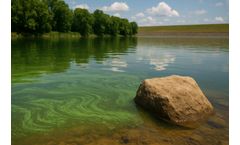
LG Sonic emphasizes prevention over treatment, and MPC-Buoy systems pair continuous monitoring with ultrasonic algae control to maintain better source water quality.Case studiesLake Sidney Lanier, Georgia — Gainesville Utilities deployed MPC-Buoys to suppress algal growth across the intake area, reducing treatment burden and delivering more ...

Introduction A bloom doesn’t always arrive with a neat, predictable timeline. One week the water looks normal, the next you get green streaks along the downwind shore, then the surface turns into a patchwork. If that shift continues on to become large scale algal blooms, it’s no longer just a cosmetic issue, it’s an operational issue that requires careful management. For ...

A healthy pond stays clear, balanced, and beautiful. Yet, algae growth can quickly disturb this balance. Thick mats of algae block sunlight and reduce oxygen—fish struggle. Plants decline. Water quality drops. Many owners turn to chemicals. However, these options often offer only short-term relief. Today, ponds need smarter and safer methods. This is where Pond algae ultrasonic treatment ...
But a new turn is taking place. Ultrasonic waves are a latest innovative, non-chemical method for controlling algae in ponds, lagoons, and reservoirs. This method is consistent, and it also safeguards aquatic life. As a result, interest in Ultrasonic algae treatment reservoirs continues to rise. ...
The algae growth has been a threat to ponds, lakes, lagoons, and most industrial water systems. ...
Clean water treatment needs more innovative tools. Today, many facilities look for systems that deliver fast results without chemicals. Therefore, ultrasonic technology has become a powerful option. It improves tank clarity, reduces manual work, and boosts operational stability. Most importantly, it transforms how treatment plants handle algae. The Ultrasonic algae clarifier tank approach is now ...

Introduction When operators and lake managers type “what dissolves algae” into a search bar, they are really asking how to protect water quality. Green surface scums and dense blooms reduce recreation, clog treatment plants, and sometimes release toxins that threaten people and animals. It is not only an aesthetics problem. It is a public health and operations challenge, especially ...
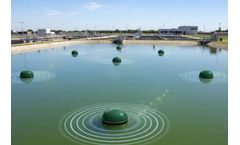
Algae causes many problems in wastewater systems. They clog screens and reduce oxygen. They raise operating costs. Often, conventional fixes use heavy chemicals. Those chemicals harm aquatic life and add expense. A newer option uses sound to fight algae. This method offers chemical-free algae removal and saves money. It also fits industrial algae treatment needs. Below is a clear guide for ...
Algae blooms are growing worse around the world. This algae crisis affects drinking water, fisheries, and tourism. Moreover, climate change and nutrient runoff fuel these blooms. Cities and farmers face new risks to public health and the economy. Puroxi Pure Water Global Inc offers solutions aimed at this growing problem. Their work focuses on smart water treatment ultrasonic systems and natural ...
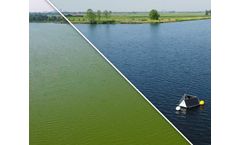
Introduction Treatment of water is the backbone of safe supply. Utilities select methods of treatment based on source risks, then verify performance with monitoring against standards. When teams design water system treatment around actual hazards, plants run efficiently, taste and odor issues drop, and compliance stays steady during blooms and storms. Below we compare these different treatment ...

Fresh water is reaching a breaking point. The question that is being asked by cities, farms, and others is similar: how can we maintain clean, dependable, and affordable? The core process of the solution is water technology, a viable combination of environmental science and technology. Small sensors, stronger filters, and chemical-free methods now give managers live information and real options. ...
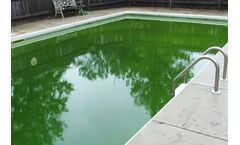
Mustard algae, also known as yellow algae, is considered to be one of the most persistent problems in the Pool. Unlike green algae, which floats freely, it attaches itself to walls, stairs, and even swimming pool equipment. Homeowners find it difficult to dispose of it, as the regular chlorine treatments are usually ineffective. This is why it is essential to take a business approach to mustard ...

Biofilm is a community of bacteria and fungi embedded in a glue-like structure that adheres to the surfaces of pipes, forming a protective layer. Bacteria like Legionella and Staphylococcus, among others, grow in a slimy mould and are difficult to kill and remove. Biofilms can develop easily in water pipes, industrial cooling systems, and even rivers and streams. Any efficient water treatment ...
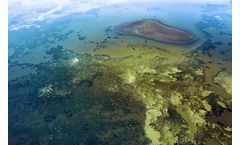
Summary Algae are a natural and important part of any lake ecosystem; Stagnant water, high temperatures, and excessive nutrients stimulate blue-green algae growth; Environmental changes, such as shifts in temperature or nutrient levels, can influence the likelihood of an algal bloom; Controlling algae blooms has become a pressing global challenge; Current treatment options include ultrasound, ...
From immaculate golf course water features to farm irrigation ponds and commercial-scale reservoirs, having clean and healthy water is important. Algae blooms—particularly unattractive green slime or toxic blooms—can compromise water quality, clog equipment, deter guests, and even harm aquatic organisms. Old-fashioned controls such as chemical ...

Summary Industrial operations contribute significantly to water pollution. This is primarily through the discharge of wastewater containing heavy metals and organic pollutants. Hence, water quality degrades and harms aquatic ecosystems. Monitoring and managing contaminants such as heavy metals and phosphates is crucial for protecting water quality. This helps prevent the harmful health effects ...