
Refine by
Water Source Articles & Analysis
2,297 articles found
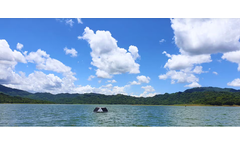
Source water protection is the practice of managing reservoir and intake quality before water reaches the treatment facility. ...
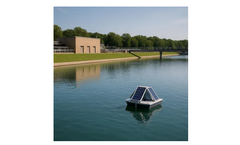
Contributing factors include basin geometry, variable source-water blending, and warm summer temperatures, conditions familiar to surface-water plants.Rationale for a chemical-free approachConventional practice uses upstream oxidants to suppress basin algae, which can elevate disinfection-byproduct formation and, depending on species and die-off, ...
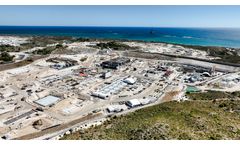
Post‑treatment chemicals are then applied only as required to align with the Australian Drinking Water Guidelines, allowing water quality to be optimised through design rather than chemical correction alone. ...
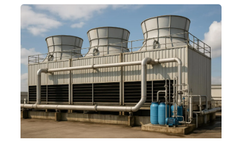
Industrial cooling towers require reliable water treatment to maintain operation and energy efficiency. Effective management of cooling tower water reduces unplanned downtime and supports maximum production throughput. ...
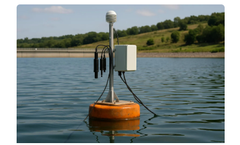
This shows the value of continuous monitoring and intervention at the source. Without real-time monitoring, source water management operates blind. ...
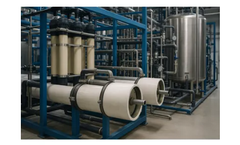
High-purity and ultrapure water are required for manufacturing, while large volumes of consistently treated water sustain cooling for high-density compute resources. ...

A Single source water and wastewater treatment company with total capability to design, supply, and construct water and effluent treatment facilities. Treatment engineers triumph over muddy Irrawaddy Water engineers are used to dealing with difficult problems, but as if clarifying the muddy waters of the ...

In 2005, the recovery stopped, and the remaining jet-fuel is trapped as a residual light non-aqueous phase liquid (LNAPL) comprising approximately 45 m jet-fuel in a 1000 m source area. In the ground water downstream of the source area, there is an extensive diving plume of contaminants. ...

Background of the reverse osmosis system filter project This reverse osmosis system filter project is located in Dar es Salaam Province. The water source is a newly built groundwater well, a vital source for the region’s domestic water supply. ...
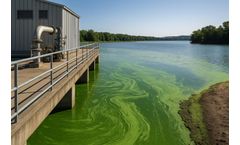
Harmful algal blooms (HABs) in drinking-water reservoirs pose multi-faceted operational risks for utilities, requiring proactive source-water management, robust monitoring, and rapid, non-disruptive response strategies to maintain water quality under regulatory constraints.Impact on Drinking Water UtilitiesHABs ...
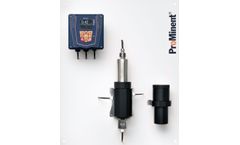
It reacts quickly to changes in the process and is suitable for identifying trends before disturbances become clearly visible in other parameters. In potable water treatment, increases in turbidity can indicate changes in raw water conditions, such as weather influences, changes in water source, or turbidity surges. ...
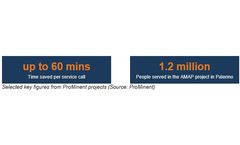
Remote access and remote monitoring enable analyses and adjustments without staff having to regularly enter hazardous or hard-to-reach areas of the plant. Case study: Potable water – digital raw water monitoring in Sicily A project by the Italian water supplier AMAP S.p.A. in Sicily demonstrates how digital solutions are used in practice. ...

Oxidation ponds provide intermediate storage and degradation basins for farm effluents while preventing contamination of irrigation water sources. Recommended thickness: 1.0–1.5 mm HDPE.Hazardous Waste DisposalHazardous or radioactive waste requires stringent impermeability. ...

Membranes are thin coatings made of special materials that are generally resistant to water, moisture, gas or other external factors. These materials may consist of various components such as polymer-based synthetic products or bitumen-based materials. Membranes are usually sold in rolls and are designed to meet the specific needs of the application ...
Geomembranes are versatile materials used in construction, environmental protection, and water management projects. This specialized material is widely preferred, particularly in regions prioritizing water resources, such as South Africa, for applications like waterproofing, erosion control, and waste ...
What Is a Lake Ecosystem and Why Does It Drive Water Quality? A lake ecosystem comprises the organisms, water chemistry, and physical processes that interact to regulate water quality, including the water column, sediments, aquatic life, and the surrounding catchment — all cycling nutrients, oxygen, and energy through continuous ...

In large industrial facilities, this not only increases operational costs but also contributes indirectly to greenhouse gas emissions if the electricity is sourced from fossil fuels.2. Emissions and Air Pollution While most overhead cranes operate on electricity, some facilities rely on diesel-powered auxiliary systems, such as backup generators or mobile cranes. ...

Avivid Global Water demonstrated its electrocoagulation (EC) technology for treatment of acid mine water discharge (AMD), waste reduction, and economic recovery of metals utilizing its patented TurboCoag® reactor. ...

Produced-water recycling in central Oklahoma Project Information Project Type: Industrial Wastewater treatment Completion Date: July 2017 Treatment Objectives: Energy use: Reduced by 50% Cost reduction: $0.01-$0.04/barrel ...
The Jiujiang Zhelin Lake Ecological Environment Protection PPP Project was listed by the Ministry of Finance as one of the first batch of government and social capital cooperation demonstration projects in December 2014, with a total estimated investment of 1.32 billion yuan. The project includes water source protection, watershed pollution control, ecological ...