
Refine by
harmful-algae-bloom books
7 books found
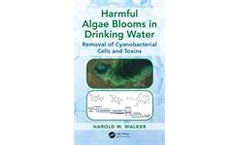
Harmful algal blooms (HABs) occurring in freshwater, and the associated toxins they produce, are dangerous to animals and humans. Mitigating the increasing presence of HABs presents a major challenge to water managers and drinking water utilities across the world. This book explores the current research on removal of HABs and toxins from drinking water. It provides the necessary tools so that ...
This project addressed a need for a sensitive, accurate and reliable testing method to aid assessment of the toxicity of algal blooms and assist water management. Increasingly, diagnostic dilemmas are resolved through the use of DNA-based technologies which often provide high sensitivity and specificity and are efficient both in terms of costs and time. However to date, no such test was available ...
Limnology and Oceanography(L&O; print ISSN 0024-3590, online ISSN 1939-5590) publishes original research articles, reviews, and comments about all aspects of limnology and oceanography. The journal's unifying theme is the understanding of aquatic systems. Submissions are judged on their originality and intellectual contribution to the fields of limnology and oceanography. Site-specific ...
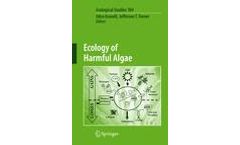
Harmful algal blooms are one of the consequences of the human impact on aquatic ecosystems, particularly the process of eutrophication. They can cause a variety of deleterious effects, including the poisoning of fish and shellfish, habitat disruptions for many organisms, water discolouration, beach fouling, and even toxic effects for humans. This volume is a comprehensive synthesis of the latest ...
This volume contains the lectures and seminars given at the NATO Advanced Study Institute on “Sensor Systems for Biological Threats: The Algal Toxins Case”, held in Pisa, Italy in October, 2007. This ASI offered updated information on how far the research on algal toxins has gone in the exploration of structures, biosynthesis and regulation of toxins, and the development of technology for ...
This volume contains the lectures and seminars given at the NATO Advanced Study Institute on “Sensor Systems for Biological Threats: The Algal Toxins Case”, held in Pisa, Italy in October, 2007. This ASI offered updated information on how far the research on algal toxins has gone in the exploration of structures, biosynthesis and regulation of toxins, and the development of technology for ...

Coastal populations of shellfish have been exploited by humans for millennia as an easily accessible source of fresh protein. Unfortunately, because the intertidal zone and the shallow coastal margins are so intertwined with man's activities, these shellfish stocks are now severely threatened around the world. Issues such as anthropogenic pollution, harmful algal blooms, overfishing, loss of ...