
harmful-algae-bloom Downloads
8 downloads found

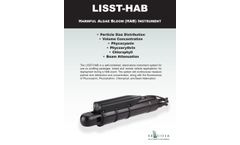
The LISST-HAB is a self-contained, stand-alone instrument system for use on profiling packages, towed and remote vehicle applications, for deployment during a HAB event. The system will continuously measure particle size distribution and concentration, along with the fluorescence of Phycocyanin, Phycoerythrin, Chlorophyll, and Beam ...
Premium
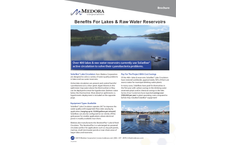
Active lake circulation can prevent and control harmful cyanobacteria (a.k.a. blue-green algae) blooms in the epilimnion (top water above the thermocline) or they can be deployed to treat the hypolimnion (bottom water below the thermocline). ...
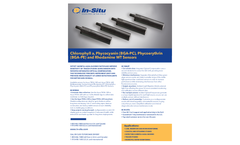
Detect harmful algal blooms faster and improve sensitivity of tracer studies using sensors with patented integrated optical compensation. This technology prevents instrument drift and provides more stability at lower detection limits for better data overall. Available sensors for Aqua TROLL 500 and Aqua TROLL 600 Multiparameter Sondes include Rhodamine WT, Chlorophyll a, Phycocyanin (BGA-PC) and ...
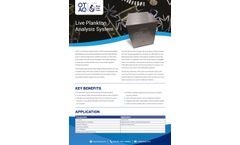
OTAQ’s Live Plankton Analysis System (LPAS) automatically identifies phytoplankton around marine aquaculture sites that could potentially result in Harmful Algae Blooms (HABs) and impact on fish health. By providing critical and timely information, LPAS enables operators to make early and informed decisions on site-specific mitigation strategies and ...

The Whole Home Nanofiltration System removes chemicals, minerals, heavy metals, and harmful blue-green algae blooms (HABs) making all the water in your home high purity at every tap in your house! This system will remove high levels of chemicals, sodium, lead, iron, sulphur, and many other contaminants – up to 95%, giving you safe, clean water for better health. The nanofiltration process ...
The Floc Logs can also remove dissolved metals, phosphorous, nutrients and algae from the water column. They can decrease harmful algae blooms and bacteria by removing the clay particles that provide the surfaces they attach to and grow on. ...
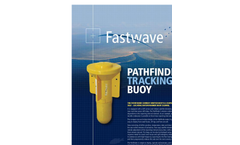
Oil spill modelling and tracking Operational ocean forecasting Tracking elements in the water (algae/harmful algal blooms, pollutants, chemicals, biological materials, debris) Outfall/effluent studies Dredge plume tracking Coastal engineering studies Fish and coral spawning studies Maritime search planningTYPICAL ...
ByFastwave