
Refine by
Harmful Algae Bloom Articles & Analysis
225 articles found

Source water protection is the practice of managing reservoir and intake quality before water reaches the treatment facility. For utilities dealing with harmful algal blooms (HABs), cyanotoxins, and seasonal taste and odor events, it is often one of the most cost-effective approaches available. ...
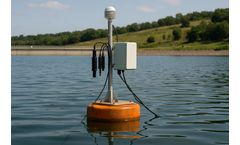
For surface water reservoir utilities, continuous monitoring is essential as harmful algal blooms can double in biomass within 48 hours under favorable conditions. ...
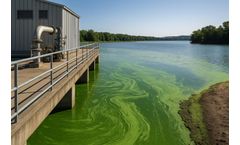
Harmful algal blooms (HABs) in drinking-water reservoirs pose multi-faceted operational risks for utilities, requiring proactive source-water management, robust monitoring, and rapid, non-disruptive response strategies to maintain water quality under regulatory constraints.Impact on Drinking Water UtilitiesHABs present challenges that extend beyond aesthetics, ...
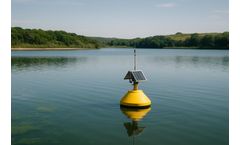
Executive Summary Chilmark Pond (200 acres) on Martha's Vineyard achieved 3× faster control of harmful algal blooms after deploying an MPC-Buoy in July 2025. Independent monitoring confirmed bloom dissipation in 8 days during the 2025 season, compared with 29 days in 2022 without intervention. ...

As a result, internal phosphorus release accelerates within days — increasing bloom risk even without any new external inputs. Moreover, a lake can sustain harmful bloom seasons for 5–10 years after external nutrients have been controlled, driven entirely by legacy phosphorus in sediments. ...
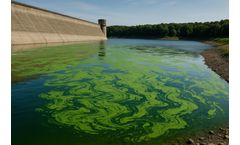
Water utilities in 2026 face accelerating operational pressures driven by climate volatility, regulatory tightening, and aging freshwater infrastructure. Seasonal planning and reactive treatment are no longer sufficient; utilities managing reservoirs and large surface water systems must confront risks that have built up over years. A unified, proactive approach is required to preserve drinking ...

Introduction A bloom doesn’t always arrive with a neat, predictable timeline. ...

Introduction When a lake or reservoir turns bright green, the issue is rarely “just algae.” Blooms can signal a shift in water quality that affects aquatic life, recreation, and the reliability of a community’s water supply. This guide explains the basics of freshwater blooms and the practical steps used to stop water contamination before impacts reach drinking ...

Introduction When people talk about water quality, they often focus on clarity or colour, but lake nutrients quietly shape almost everything that happens below the surface. A modest increase in nutrient loading can be the difference between a clear, oxygen-rich reservoir and one that drifts into chronic eutrophication with recurring algal blooms. For drinking water managers, understanding lake ...
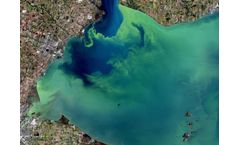
Algae are a normal part of freshwater food webs, but excess nutrients and a warming climate are tipping many lakes toward more frequent and intense blooms. ...

Running a lake or reservoir without good data can feel a bit like driving at night with the headlights dimmed. A water quality monitoring system gives operators a clearer view by turning occasional samples into a continuous story about the water. With online water quality monitoring in place, teams no longer wait for weekly laboratory results; they can watch how temperature, algae and dissolved ...

The algae growth has been a threat to ponds, lakes, lagoons, and most industrial water systems. It reduces water clarity. It disrupts oxygen levels and damages equipment. A large number of owners look for a solution that is quick and also safe. There are two prominent options today: ultrasonic technology and chemical treatments. Yet, one method clearly offers more intelligent long-term control. ...

For most people, the wastewater treatment process ends the moment they flush the toilet. This "flush and forget" mentality masks a complex, critical infrastructure that is currently facing all sorts of challenges. Modern Wastewater Treatment Plants are the silent guardians of public health and environmental stability. However, they are battling issues ranging from crumbling century-old ...

Introduction When operators and lake managers type “what dissolves algae” into a search bar, they are really asking how to protect water quality. Green surface scums and dense blooms reduce recreation, clog treatment plants, and sometimes release toxins that threaten people and animals. It is not only an aesthetics problem. It is a public health and operations challenge, especially ...
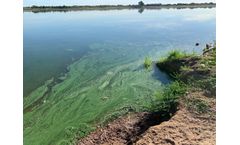
Excessive algae growth can transform a beautiful lake into an unsightly, potentially dangerous water body that threatens aquatic life and creates other problems such as fish kills and swimmers itch. This makes swimming, fishing, and recreational activities unpleasant or impossible. Similarly, water temperature is among one of the major driving factors for algae growth. Whether you’re ...

Industrial reservoirs matter. They store water for cooling, processing, and safety. When algae blooms, these tanks and basins suffer. Pumps clog. Filters foul. Water quality drops. Costs rise. Fortunately, ultrasonic technology offers a simple and powerful solution. It controls algae without adding chemicals. It works quietly and uses little energy. This write-up explains how ultrasonic systems ...

Clean water matters. Cities need reliable tools to keep taps safe. Ultrasonic treatment drinking water offers a gentle and modern way to reduce algae and protect water quality. This method uses sound energy to interrupt algal growth. It works without relying on harsh chemicals. Municipal systems can use it to improve plant performance and protect public ...
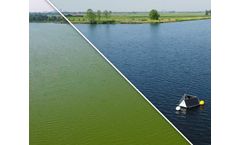
Introduction Treatment of water is the backbone of safe supply. Utilities select methods of treatment based on source risks, then verify performance with monitoring against standards. When teams design water system treatment around actual hazards, plants run efficiently, taste and odor issues drop, and compliance stays steady during blooms and storms. Below we compare these different treatment ...

Introduction Clean vs dirty water is more than a visual contrast. In water management, the difference determines whether households stay healthy, utilities meet compliance, and ecosystems avoid harmful algal blooms. We’ll explain the difference between clean and unclean water in practical terms, as well as outline key indicators, and connect those indicators to the European Drinking Water ...

Modular systems and smart financing help municipalities meet regulations affordably Small towns across the United States must meet stricter wastewater discharge limits for nitrogen and phosphorus. State and federal regulators are tightening standards to protect rivers, lakes, and coastal ecosystems, but traditional plant upgrades to achieve those standards can cost millions. Operations and ...