
Refine by
Harmful Algae Bloom Articles & Analysis: This-Year
12 articles found
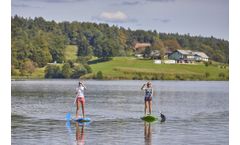
Why do recreational lakes get algae blooms? Blooms happen when four ingredients line up: nutrients, warm water, sunlight, and slow movement. ...
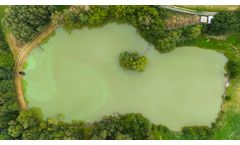
The 2026 algae bloom season is arriving earlier than usual, and three forces are behind it: a warmer-than-average spring, low flows in many basins, and the same nutrient pressure as ever. Together, they are pushing harmful algal blooms earlier in the year and stretching the monitoring season for water utilities. ...

Source water protection is the practice of managing reservoir and intake quality before water reaches the treatment facility. For utilities dealing with harmful algal blooms (HABs), cyanotoxins, and seasonal taste and odor events, it is often one of the most cost-effective approaches available. ...
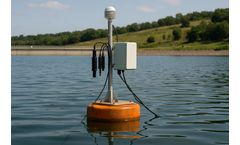
For surface water reservoir utilities, continuous monitoring is essential as harmful algal blooms can double in biomass within 48 hours under favorable conditions. ...
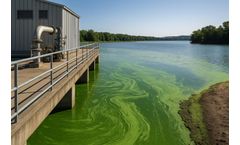
Harmful algal blooms (HABs) in drinking-water reservoirs pose multi-faceted operational risks for utilities, requiring proactive source-water management, robust monitoring, and rapid, non-disruptive response strategies to maintain water quality under regulatory constraints.Impact on Drinking Water UtilitiesHABs present challenges that extend beyond aesthetics, ...
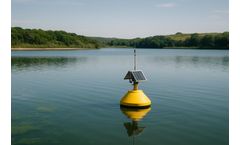
Executive Summary Chilmark Pond (200 acres) on Martha's Vineyard achieved 3× faster control of harmful algal blooms after deploying an MPC-Buoy in July 2025. Independent monitoring confirmed bloom dissipation in 8 days during the 2025 season, compared with 29 days in 2022 without intervention. ...
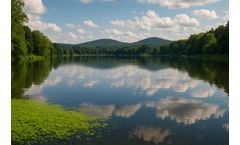
As a result, internal phosphorus release accelerates within days — increasing bloom risk even without any new external inputs. Moreover, a lake can sustain harmful bloom seasons for 5–10 years after external nutrients have been controlled, driven entirely by legacy phosphorus in sediments. ...
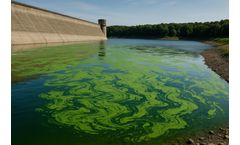
Water utilities in 2026 face accelerating operational pressures driven by climate volatility, regulatory tightening, and aging freshwater infrastructure. Seasonal planning and reactive treatment are no longer sufficient; utilities managing reservoirs and large surface water systems must confront risks that have built up over years. A unified, proactive approach is required to preserve drinking ...
Introduction A bloom doesn’t always arrive with a neat, predictable timeline. ...
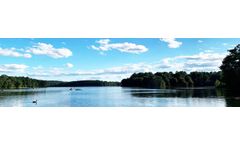
Introduction When a lake or reservoir turns bright green, the issue is rarely “just algae.” Blooms can signal a shift in water quality that affects aquatic life, recreation, and the reliability of a community’s water supply. This guide explains the basics of freshwater blooms and the practical steps used to stop water contamination before impacts reach drinking ...
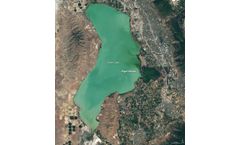
Introduction When people talk about water quality, they often focus on clarity or colour, but lake nutrients quietly shape almost everything that happens below the surface. A modest increase in nutrient loading can be the difference between a clear, oxygen-rich reservoir and one that drifts into chronic eutrophication with recurring algal blooms. For drinking water managers, understanding lake ...
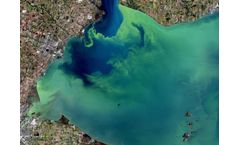
Algae are a normal part of freshwater food webs, but excess nutrients and a warming climate are tipping many lakes toward more frequent and intense blooms. ...